Your body is remarkably intelligent. When something’s wrong, it sends signals sometimes subtle, sometimes impossible to ignore. Vitamin deficiencies are among those sneaky health issues that can creep up slowly, manifesting through symptoms you might dismiss as everyday fatigue or stress. Understanding these vitamin deficiency signs can be the difference between thriving health and chronic discomfort.
Why Vitamin Deficiencies Matter More Than You Think
Vitamins are the unsung heroes of your body’s daily operations. They facilitate everything from energy production to immune function, bone health to brain performance. When you’re running low on these essential nutrients, your body starts operating at less than optimal capacity like trying to run a car on low fuel.
According to nutritional research, millions of people worldwide suffer from at least one vitamin deficiency without even realizing it. The modern diet, despite its abundance, often lacks the nutrient density our ancestors enjoyed. Processed foods, depleted soil, and hectic lifestyles contribute to this growing health concern.
Common Vitamin Deficiency Signs You Shouldn’t Ignore
Persistent Fatigue and Weakness
If you’re constantly exhausted despite getting adequate sleep, vitamin B12 or iron deficiency might be the culprit. These nutrients are crucial for red blood cell production and oxygen transport throughout your body. When levels drop, your cells literally can’t get the energy they need to function properly.
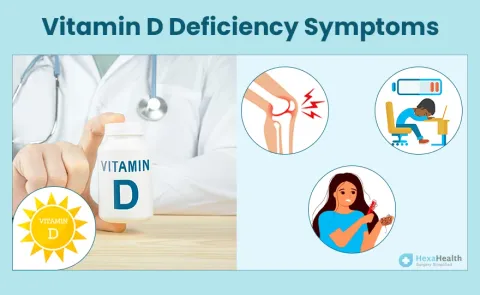
Vitamin D deficiency also causes unexplained tiredness. This sunshine vitamin regulates countless bodily processes, and low levels can leave you feeling drained and unmotivated.
Unusual Hair Loss or Brittle Nails
Hair falling out in clumps or nails splitting easily? These symptoms of low vitamins often point to biotin (vitamin B7), iron, or zinc deficiency. Your body prioritizes vital organs when nutrients are scarce, meaning your hair and nails which aren’t essential for survival get shortchanged.
Brittle, spoon-shaped nails specifically suggest iron deficiency anemia, while slow-growing hair might indicate insufficient protein or B vitamins.
Mouth Problems: Cracks and Sores
Notice painful cracks at the corners of your mouth? This condition, called angular cheilitis, commonly results from deficiencies in riboflavin (B2), iron, or zinc. Recurring mouth ulcers and a swollen, inflamed tongue can also signal vitamin B12, folate, or iron deficiency.
Your oral health is surprisingly connected to your nutritional status, making mouth symptoms important health warnings to investigate.
Bleeding Gums and Slow Wound Healing
If your gums bleed when you brush or floss, and cuts take forever to heal, you might be deficient in vitamin C. This powerful antioxidant is essential for collagen production, which holds your tissues together and helps wounds close properly.
Severe vitamin C deficiency leads to scurvy rare in developed countries but still possible with extremely poor diets.
Vision Problems and Night Blindness
Struggling to see in dim lighting? Night blindness is one of the earliest vitamin deficiency signs of insufficient vitamin A. This nutrient is critical for producing rhodopsin, a pigment in your eyes that helps you see in low light conditions.
Chronic vitamin A deficiency can lead to more serious eye problems, including complete blindness in extreme cases.
Muscle Cramps and Bone Pain
Unexplained muscle cramps, particularly in your legs, often indicate magnesium, calcium, or potassium deficiency. These minerals work together to regulate muscle contractions and nerve signals.
Deep bone pain and increased fracture risk suggest vitamin D and calcium deficiency. Vitamin D helps your body absorb calcium without it, your bones can’t maintain their density and strength.
Skin Issues: Rashes and Dryness
Your skin reflects your internal health. Rough, scaly patches, particularly on your arms and thighs, might indicate vitamin A deficiency. Seborrheic dermatitis and dandruff often worsen with insufficient B vitamins, particularly B6, B2, and niacin.
Vitamin E deficiency, though rare, can cause skin problems along with neurological issues due to poor nerve conduction.
Mental Health Symptoms
Depression, irritability, and brain fog aren’t always psychological—they can be symptoms of low vitamins, particularly B12, folate, and vitamin D. These nutrients are crucial for neurotransmitter production and brain function.
Vitamin B6 deficiency has been specifically linked to mood disorders because it’s essential for creating serotonin and dopamine, your brain’s “happy chemicals.”
Frequent Infections and Illness
Getting sick more often than usual? Your immune system might be crying out for vitamins C, D, and zinc. These nutrients are your body’s defense team, helping white blood cells function and antibodies form properly.
Vitamin A also plays a crucial role in maintaining the integrity of your skin and mucous membranes, your body’s first line of defense against pathogens.
Who’s Most at Risk for Vitamin Deficiencies?
Certain groups face higher risks of developing vitamin deficiency signs:
Vegetarians and vegans often lack B12, which is found primarily in animal products. Iron and zinc can also be challenging to obtain from plant-based diets alone.
Older adults typically absorb nutrients less efficiently and may have reduced appetites or dietary restrictions that limit nutrient intake.
Pregnant women have increased nutritional demands to support fetal development, making deficiencies more likely without proper supplementation.
People with digestive disorders like celiac disease, Crohn’s disease, or IBS often struggle to absorb nutrients properly, regardless of dietary intake.
Those taking certain medications may experience nutrient depletion as a side effect for example, proton pump inhibitors can interfere with B12 absorption.
What to Do If You Suspect a Deficiency
If you’re experiencing multiple health warnings mentioned above, don’t panic but don’t ignore them either. Here’s your action plan:
Consult your healthcare provider for proper blood tests. Self-diagnosing vitamin deficiencies is tricky because symptoms overlap with many conditions.
Get comprehensive testing that includes complete blood count, vitamin D, B12, folate, iron panels, and any other vitamins your doctor suspects might be low.
Address dietary gaps before reaching for supplements. Whole foods provide vitamins in forms your body recognizes and absorbs efficiently, along with beneficial fiber and phytonutrients.
Consider quality supplements only after professional guidance. More isn’t always better: some vitamins can be toxic in high doses, and supplements may interact with medications.
Preventing Vitamin Deficiencies Through Diet
The best defense against vitamin deficiency signs is eating a varied, colorful diet rich in whole foods:
Load up on dark leafy greens like spinach and kale for vitamins A, C, K, and folate. These nutritional powerhouses also provide iron and calcium.
Include fatty fish such as salmon and mackerel for vitamin D, omega-3s, and B vitamins. Aim for at least two servings weekly.
Eat citrus fruits and berries regularly for vitamin C and powerful antioxidants that protect against cellular damage.
Choose whole grains and legumes for B vitamins, iron, and magnesium. These complex carbohydrates also stabilize blood sugar.
Don’t forget nuts and seeds for vitamin E, magnesium, and healthy fats that support nutrient absorption.
Frequently Asked Questions
Q1: How long does it take to correct a vitamin deficiency?
The timeline varies depending on the vitamin and severity of deficiency. Iron and B12 deficiencies typically show improvement within weeks to months with proper supplementation. Vitamin D levels can normalize in 2-3 months. However, symptoms may take longer to resolve than blood levels take to correct.
Q2: Can you have multiple vitamin deficiencies at once?
Absolutely. In fact, having one deficiency increases your risk for others because vitamins often work together. For example, vitamin D deficiency impairs calcium absorption, and vitamin C enhances iron absorption. Poor diet or absorption issues typically affect multiple nutrients simultaneously.
Q3: Are vitamin deficiency symptoms different in children versus adults?
Yes, children may show different signs like growth delays, developmental problems, or frequent infections. Adults more commonly experience fatigue, mood changes, and specific symptoms like hair loss or bone pain. Children’s bodies are rapidly growing, making adequate nutrition even more critical.
Q4: Can stress cause vitamin deficiencies?
Chronic stress increases your body’s nutritional demands, particularly for B vitamins, vitamin C, and magnesium. During stressful periods, you metabolize these nutrients faster, potentially creating deficiencies if intake doesn’t increase proportionally. Stress also often leads to poor dietary choices that compound the problem.
Q5: Should I take a multivitamin as insurance against deficiencies?
A quality multivitamin can provide baseline nutritional support, but it’s not a substitute for healthy eating. Food contains thousands of beneficial compounds that supplements can’t replicate. If your diet is consistently poor or you have absorption issues, a multivitamin might help, but personalized supplementation based on testing is more effective.
Conclusion
Your body communicates through symptoms that vitamin deficiency signs are messages worth hearing. While fatigue, hair loss, and muscle cramps might seem like normal parts of busy modern life, they could be your body’s way of saying it needs more nutritional support.
The good news? Most vitamin deficiencies are completely reversible with proper diagnosis and treatment. By staying alert to symptoms of low vitamins and taking action early, you can prevent minor deficiencies from becoming serious health problems.
Remember that optimal health isn’t about perfection it’s about consistency. Fill your plate with colorful, nutrient-dense whole foods, get sensible sun exposure, and consult healthcare professionals when something feels off. Your body is designed to thrive when given the right fuel.