You spend roughly one-third of your life sleeping or at least you should. Yet in our hustle-obsessed culture, sleep often gets treated as optional, something to sacrifice when life gets busy. The truth? Sleep isn’t a luxury or a sign of laziness. It’s a biological necessity as essential as food and water, and skimping on it comes with serious consequences.
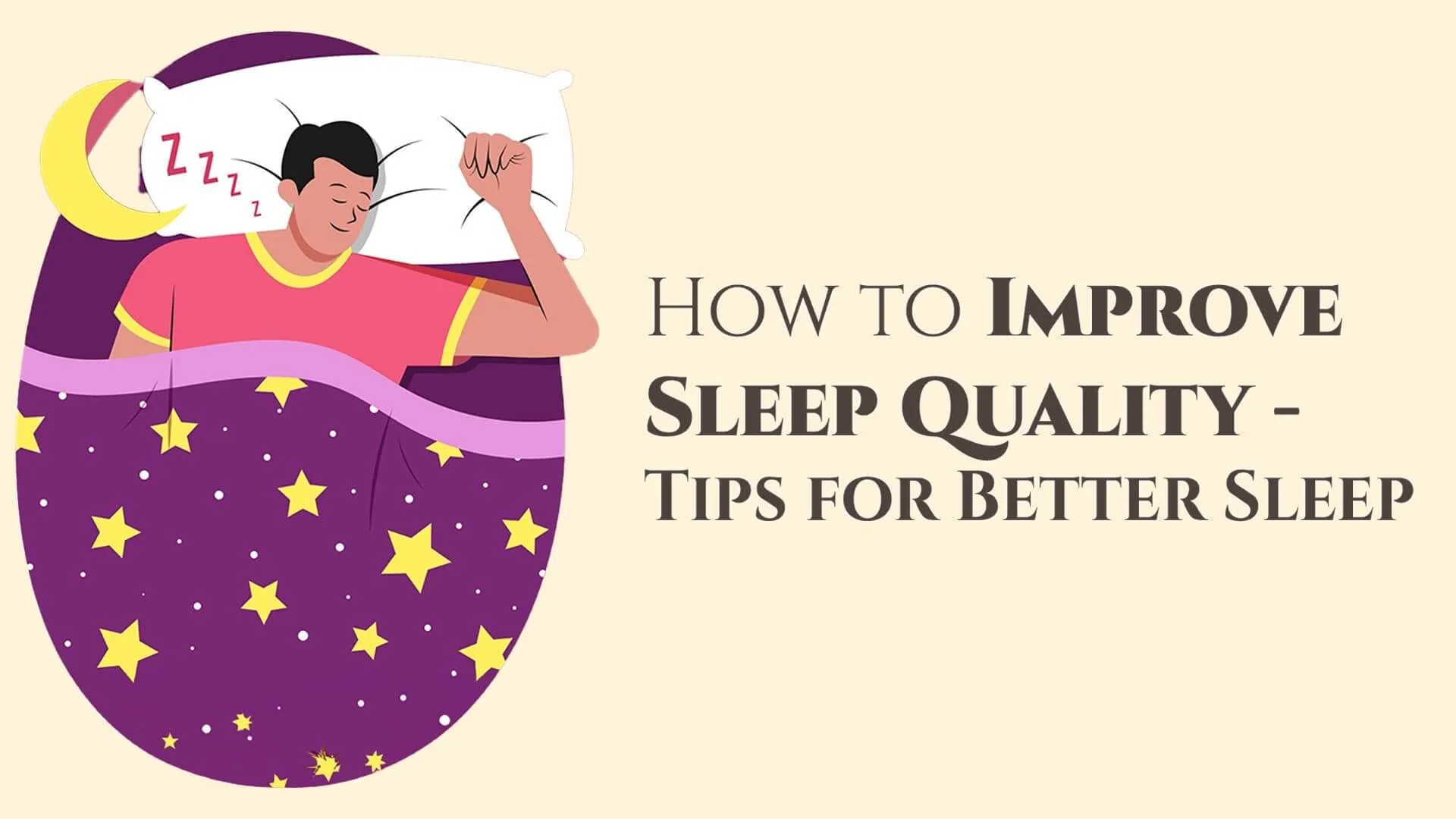
Understanding why sleep is important and learning how to improve sleep quality can literally transform your life. Better sleep means sharper thinking, stronger immunity, improved mood, healthier weight, and even a longer lifespan. Let’s dive into the science of sleep and discover practical ways to reclaim your nights.
The Science Behind Why Sleep Is Important
Your Brain’s Nightly Maintenance Crew
While you sleep, your brain isn’t resting, it’s incredibly active, performing critical maintenance tasks impossible during waking hours. Think of sleep as your brain’s overnight cleaning service.
During deep sleep, your brain’s glymphatic system kicks into high gear, flushing out toxic waste products that accumulate throughout the day, including beta-amyloid proteins linked to Alzheimer’s disease. This neurological “garbage disposal” system operates most efficiently while you sleep, explaining why chronic sleep deprivation increases dementia risk.
Sleep also consolidates memories, transferring information from short-term to long-term storage. That’s why pulling an all-nighter before an exam is counterproductive. Without sleep, your brain can’t properly encode what you studied.
Physical Restoration and Healing
Your body uses sleep time for essential repair work. Growth hormone, which stimulates tissue repair and muscle growth, is primarily released during deep sleep stages. This is why athletes who prioritize sleep recover faster and perform better than those who don’t.
Sleep regulates your immune system too. During quality rest, your body produces cytokines—proteins that fight infection and inflammation. Studies consistently show that people who sleep fewer than seven hours nightly are nearly three times more likely to catch colds than those who sleep eight hours or more.
Metabolic and Hormonal Balance
Sleep profoundly affects your metabolism and appetite hormones. When you’re sleep-deprived, your body produces more ghrelin (the hunger hormone) and less leptin (the fullness hormone), creating a perfect storm for overeating and weight gain.
Research reveals that people who consistently sleep fewer than six hours nightly have a 30% higher risk of becoming obese. Poor sleep also disrupts insulin sensitivity, increasing diabetes risk even in otherwise healthy individuals.
The Real Cost of Poor Sleep
Cognitive Impairment
Just one night of poor sleep significantly impairs your cognitive function. After 24 hours without sleep, your mental performance resembles that of someone with a blood alcohol level of 0.10% legally drunk in most places.
Chronic sleep deprivation affects attention, decision-making, creativity, and emotional regulation. You might feel functional on six hours of sleep, but research shows people consistently underestimate how impaired they actually are.
Emotional and Mental Health
The connection between sleep and mental health runs deep in both directions. Poor sleep increases risk for depression and anxiety, while these conditions often disrupt sleep, creating a vicious cycle.
Sleep deprivation affects your emotional processing center (the amygdala), making you more reactive to negative stimuli and less able to regulate emotions effectively. This explains why everything feels harder after a bad night’s sleep.
Physical Health Consequences
The list of health problems linked to chronic sleep deprivation is sobering: cardiovascular disease, high blood pressure, stroke, type 2 diabetes, weakened immunity, hormonal imbalances, and increased inflammation throughout the body.
Long-term sleep deprivation literally shortens your lifespan. Large-scale studies show that regularly sleeping fewer than six hours nightly increases mortality risk by 12% compared to those getting seven to eight hours.
How Much Sleep Do You Actually Need?
The National Sleep Foundation provides these sleep health tips based on age:
- Adults (18-64 years): 7-9 hours
- Older adults (65+): 7-8 hours
- Teenagers: 8-10 hours
- School-age children: 9-11 hours
These are guidelines, not rigid rules. Some people genuinely function well on slightly less, while others need more. The key question: Do you feel refreshed and alert throughout the day without caffeine? If not, you probably need more sleep.
Proven Strategies to Improve Sleep Quality
Optimize Your Sleep Environment
Your bedroom should be a sleep sanctuary. Temperature matters enormously—most people sleep best in rooms between 60-67°F (15-19°C). Your body temperature naturally drops during sleep, and a cool room facilitates this process.
Darkness is equally crucial. Even small amounts of light can disrupt your circadian rhythm and suppress melatonin production. Invest in blackout curtains or a comfortable sleep mask. Cover LED lights from electronics or remove devices from your bedroom entirely.
Noise control deserves attention too. If you can’t eliminate disruptive sounds, white noise machines or fans can mask intermittent noises that fragment sleep. Many people find these consistent background sounds actually improve sleep quality.
Master Your Circadian Rhythm
Your body runs on an internal 24-hour clock called the circadian rhythm, which regulates sleep-wake cycles, hormone release, and countless other processes. Working with this system rather than against it dramatically improves sleep quality.
Get morning sunlight exposure within an hour of waking. Natural light is the most powerful circadian regulator, signaling your brain that it’s daytime and suppressing melatonin production. Just 10-15 minutes outside makes a difference.
Maintain consistent sleep and wake times, even on weekends. Your body thrives on predictability. Varying your schedule by more than an hour confuses your circadian rhythm, leading to “social jet lag” that impairs sleep quality.
Dim lights in the evening to help melatonin production ramp up naturally. Blue light from screens is particularly problematic, suppressing melatonin for hours. If you must use devices, enable night mode or wear blue-light-blocking glasses.
Watch Your Eating and Drinking Patterns
What and when you consume significantly impacts sleep quality. These sleep health tips can make a real difference:
Limit caffeine to morning hours only. Caffeine has a half-life of 5-6 hours, meaning that afternoon coffee still affects you at bedtime. Some people are slow metabolizers who should avoid caffeine after early morning.
Avoid large meals close to bedtime. Digestion increases body temperature and metabolic activity—both incompatible with sleep. Stop eating 2-3 hours before bed. If you need a small snack, choose something with protein and healthy fat rather than sugar.
Be cautious with alcohol. While it might help you fall asleep initially, alcohol disrupts sleep architecture, reducing REM sleep and causing fragmented rest. You’ll wake feeling unrefreshed even after adequate sleep duration.
Stay hydrated throughout the day but reduce fluid intake in the evening to minimize nighttime bathroom trips that interrupt sleep.
Develop a Relaxing Pre-Sleep Routine
Your brain needs time to transition from daytime alertness to nighttime rest. A consistent wind-down routine signals that sleep is approaching.
Start your routine 30-60 minutes before bedtime. This might include gentle stretching, reading a physical book (not on a screen), taking a warm bath, or practicing relaxation techniques.
Try the 4-7-8 breathing technique: Inhale through your nose for 4 counts, hold for 7 counts, exhale through your mouth for 8 counts. This activates your parasympathetic nervous system, promoting relaxation.
Progressive muscle relaxation works wonders for people who hold tension. Systematically tense and release muscle groups from toes to head, helping your body physically prepare for sleep.
Journaling can clear your mind of racing thoughts and worries. Spend five minutes writing down concerns or tomorrow’s to-do list, getting them out of your head and onto paper.
Exercise Strategically
Regular physical activity improves sleep quality, but timing matters. Exercise raises body temperature and cortisol levels beneficial during the day but problematic near bedtime.
Aim to finish vigorous exercise at least 3-4 hours before bed. Morning or afternoon workouts enhance sleep without interfering with it. However, gentle activities like yoga or easy walking in the evening can actually promote relaxation.
Studies show that people who exercise regularly fall asleep faster, sleep more deeply, and wake feeling more refreshed than sedentary individuals.
Manage Stress and Anxiety
Racing thoughts are among the most common sleep disruptors. If your mind won’t quiet down, these techniques help:
Practice mindfulness meditation for just 10 minutes daily. Research shows consistent meditation improves sleep quality even in people with chronic insomnia.
Use the “worry time” technique: Set aside 15 minutes earlier in the day specifically for worrying. When concerns arise at bedtime, remind yourself you’ll address them during tomorrow’s worry time.
Try cognitive behavioral therapy for insomnia (CBT-I), considered the gold standard treatment for chronic sleep problems. It addresses the thoughts and behaviors that prevent good sleep, often proving more effective than medication.
When Naps Help (and When They Hurt)
Strategic napping can boost alertness and performance, but poor napping habits sabotage nighttime sleep. Follow these guidelines:
Keeping naps short 20 minutes is ideal for a quick refresh without entering deep sleep. Longer naps can leave you groggy and interfere with nighttime rest.
Nap early afternoon if needed, never after 3 PM. Late naps reduce your sleep drive, making it harder to fall asleep at bedtime.
Skip naps if you struggle with insomnia. Building up sufficient sleep pressure throughout the day helps you fall asleep faster at night.
Common Sleep Mistakes to Avoid
Using your bed for activities other than sleep and intimacy trains your brain that beds are for wakefulness. Keep work, eating, and screen time out of the bedroom.
Checking the clock when you can’t sleep increases anxiety about sleeplessness, creating a self-fulfilling prophecy. Turn clocks away from view.
Trying too hard to sleep backfires. If you can’t fall asleep after 20 minutes, get up and do something calming in dim light until you feel sleepy.
Relying on sleeping pills as a first resort. While occasionally useful, sleep medications don’t produce natural sleep architecture and come with side effects and dependency risks.
Amazon Product Recommendations
1. Manta Sleep Mask PRO – 100% blackout eye mask with zero eye pressure, perfect for light-sensitive sleepers
2. Hatch Restore Smart Sleep Assistant – Combines sunrise alarm, sound machine, and meditation app to optimize your sleep-wake cycle
3. Magnesium Glycinate by Double Wood Supplements – Highly absorbable magnesium that promotes relaxation and deeper sleep
4. ChiliSleep OOLER Sleep System – Temperature-controlled mattress pad that maintains optimal sleep temperature all night
5. Philips SmartSleep Wake-Up Light – Simulates natural sunrise to help you wake feeling more refreshed and alert
Frequently Asked Questions
Q1: Can you “catch up” on lost sleep during weekends?
Partially, but not completely. While weekend sleep can reduce some immediate sleep debt, it doesn’t fully reverse the metabolic, cognitive, and health impacts of chronic sleep deprivation. Additionally, sleeping much longer on weekends disrupts your circadian rhythm, making Monday mornings even harder. Consistency throughout the week is far better than the catch-up approach.
Q2: Is it normal to wake up during the night?
Brief awakenings between sleep cycles are completely normal you just usually don’t remember them. However, if you’re fully awake for extended periods, especially with difficulty falling back asleep, this suggests a sleep quality issue worth addressing through better sleep hygiene or medical consultation.
Q3: Do sleep tracking apps and devices actually help improve sleep?
They can provide useful insights about your sleep patterns, but obsessing over data can create anxiety that worsens sleep, a phenomenon called “orthosomnia.” Use trackers as general guides rather than definitive measures. How you feel matters more than what your device says.
Q4: Why do I feel more tired after sleeping longer than usual?
This “sleep hangover” usually means you woke during deep sleep rather than at the end of a sleep cycle. Sleep cycles last roughly 90 minutes, so waking at 7.5 or 9 hours often feels better than 8 hours. Alternatively, oversleeping might indicate an underlying sleep debt or health issue worth investigating.
Q5: Can certain foods help you sleep better?
Some foods contain sleep-promoting compounds. Tart cherry juice provides natural melatonin. Almonds and walnuts offer magnesium and melatonin. Fatty fish contain vitamin D and omega-3s that regulate serotonin. Chamomile tea has apigenin, which promotes sleepiness. However, overall diet quality and eating patterns matter more than specific sleep foods.
The Bottom Line: Sleep Is an Investment, Not a Waste
Every hour you spend sleeping is an investment in your health, productivity, happiness, and longevity. Understanding why sleep is important is the first step; applying proven strategies to improve sleep quality is where transformation happens.
Start with one or two changes rather than overhauling everything at once. Perhaps begin with a consistent wake time and morning sunlight exposure. Once those habits stick, add evening routines or environmental improvements. Small, consistent changes compound into dramatically better sleep over time.
Your body knows how to sleep. It’s been doing it since birth. Often, improving sleep quality is less about learning new techniques and more about removing barriers we’ve inadvertently created in modern life. Give your body the conditions it needs, and it will reward you with the restorative sleep you deserve.