Intermittent fasting has exploded in popularity, and unlike many diet trends, this one is backed by substantial scientific research. It’s not about what you eat it’s about when you eat. This simple shift in eating patterns triggers powerful metabolic changes that support weight loss, improve health markers, and may even extend lifespan.
This comprehensive intermittent fasting guide will walk you through everything beginners need to know, from choosing the right method to maximizing intermittent fasting benefits while avoiding common pitfalls. Whether you’re interested in weight loss fasting or broader health improvements, this evidence-based approach might be exactly what you’ve been searching for.
What Is Intermittent Fasting?
Intermittent fasting (IF) is an eating pattern that cycles between periods of eating and fasting. Unlike traditional diets that focus on which foods to eat or avoid, intermittent fasting simply specifies when to eat them.
This isn’t a new concept—humans have fasted throughout history, whether for religious reasons, food scarcity, or health purposes. Your body is actually designed to function without constant food intake, and periods of fasting trigger beneficial metabolic processes that never activate when you’re constantly eating.
During fasting periods, several things happen in your body at the cellular and molecular level. Insulin levels drop significantly, facilitating fat burning. Human growth hormone levels increase, supporting fat loss and muscle gain. Your cells initiate important repair processes, and gene expression changes in ways that promote longevity and disease protection.
Popular Intermittent Fasting Methods
The 16/8 Method (Time-Restricted Eating)
This is the most popular and beginner-friendly approach. You fast for 16 hours and eat within an 8-hour window daily. Most people accomplish this by skipping breakfast, eating their first meal around noon, and finishing dinner by 8 PM.
The 16/8 method integrates easily into most lifestyles because it doesn’t require full-day fasts. You simply extend the natural fasting period that occurs during sleep. Many people find this sustainable long-term, making it excellent for beginners.
The 5:2 Diet
This approach involves eating normally five days per week and restricting calories to 500-600 on two non-consecutive days. For example, you might eat normally Monday through Friday, restrict on Wednesday, and restrict again on Saturday.
The 5:2 diet appeals to people who struggle with daily restrictions but can handle occasional low-calorie days. It provides flexibility while still delivering intermittent fasting benefits through periodic calorie restriction.
Eat-Stop-Eat
This method involves one or two 24-hour fasts per week. For instance, you might finish dinner at 7 PM on Monday and not eat again until 7 PM Tuesday. You’re still eating daily, just once on fasting days.
Eat-Stop-Eat is more challenging than 16/8 but can produce faster results. It requires more discipline and isn’t recommended for complete beginners work up to 24-hour fasts gradually.
Alternate Day Fasting
As the name suggests, you alternate between fasting days and eating days. Some versions allow 500 calories on fasting days while others involve complete fasting.
This aggressive approach delivers impressive weight loss fasting results but can be difficult to maintain. It’s not ideal for beginners or anyone with demanding schedules that require consistent energy.
The Warrior Diet
This involves eating small amounts of raw fruits and vegetables during a 20-hour fasting window, followed by one large meal at night within a 4-hour eating window.
The Warrior Diet is inspired by ancient warrior eating patterns and appeals to people who prefer eating one substantial meal daily. It’s relatively extreme and best suited for experienced fasters.
Spontaneous Meal Skipping
This flexible approach involves skipping meals when convenient or when you’re not hungry. It’s less structured but can still provide intermittent fasting benefits for people who dislike rigid schedules.
This method works well for intuitive eaters who can distinguish true hunger from boredom or habit-driven eating.
Science-Backed Intermittent Fasting Benefits
Powerful Weight Loss Without Calorie Counting
Weight loss fasting works through multiple mechanisms. First, eating fewer meals naturally reduces calorie intake unless you dramatically overeat during eating windows. Second, fasting periods force your body to access stored fat for fuel once glucose runs out.
Studies show that intermittent fasting can cause 3-8% weight loss over 3-24 weeks—a significant amount. Importantly, people lose more belly fat proportionally, which is the dangerous visceral fat linked to metabolic disease.
Unlike traditional calorie restriction, intermittent fasting preserves muscle mass better while preferentially burning fat. This is partly due to increased growth hormone production during fasting periods.
Improved Insulin Sensitivity and Blood Sugar Control
Intermittent fasting dramatically improves insulin sensitivity, helping your cells respond better to this crucial hormone. Fasting reduces blood insulin levels by 20-31%, while fasting blood sugar drops by 3-6%.
For people with prediabetes or type 2 diabetes, these changes are potentially life-changing. Research shows that intermittent fasting can reduce fasting insulin and blood sugar to degrees similar to calorie restriction, but many find it easier to sustain.
One study in people with type 2 diabetes showed that intermittent fasting protected against kidney damage, one of the most serious diabetes complications.
Cellular Repair and Autophagy
When you fast, your cells initiate autophagy—a waste removal process where cells break down and metabolize dysfunctional proteins that accumulate over time. Think of it as your cells’ self-cleaning system.
Autophagy provides protection against several diseases including cancer, Alzheimer’s, and heart disease. Animal studies show that autophagy triggered by fasting may increase lifespan, though human research is still emerging.
This process simply doesn’t activate when you’re constantly eating and keeping insulin levels elevated.
Reduced Inflammation and Oxidative Stress
Chronic inflammation drives nearly every modern disease—heart disease, cancer, diabetes, Alzheimer’s, and more. Studies show that intermittent fasting reduces markers of inflammation and oxidative stress.
Oxidative stress involves unstable molecules called free radicals that damage cells and accelerate aging. Fasting enhances your body’s resistance to oxidative stress while reducing inflammation throughout the body.
Heart Health Improvements
Intermittent fasting improves numerous risk factors for heart disease, the world’s leading killer. It can reduce LDL cholesterol, blood triglycerides, inflammatory markers, blood sugar, and insulin resistance all risk factors for heart disease.
However, most of this research comes from animal studies. Human studies show promising results but more long-term research is needed to confirm cardiovascular benefits definitively.
Brain Health and Cognitive Function
What’s good for the heart is often good for the brain. Intermittent fasting may increase levels of brain-derived neurotrophic factor (BDNF), a protein crucial for learning, memory, and mood regulation.
Animal studies show that intermittent fasting improves brain structure and function. It may protect against brain damage from strokes and potentially reduce risk of neurodegenerative diseases like Alzheimer’s and Parkinson’s.
Many people report improved mental clarity and focus during fasting periods once adapted. This makes sense historically, humans needed sharp cognition when food was scarce to find their next meal.
Potential Anti-Aging and Longevity Effects
Perhaps the most exciting potential benefit is lifespan extension. Studies in rats show that intermittent fasting extends lifespan similarly to continuous calorie restriction, which is well-established for promoting longevity.
One study found that rats who fasted every other day lived 83% longer than rats who didn’t fast. While human studies of this nature are impossible to conduct, the cellular mechanisms suggest similar benefits may apply to humans.
This Intermittent Fasting Guide: How to Start
Choose Your Method
Beginners should start with the 16/8 method. It’s the easiest to sustain and produces meaningful results without extreme restrictions. Once comfortable, you can experiment with longer fasting periods if desired.
Start gradually if even 16 hours feels overwhelming. Try 12 hours initially (finishing dinner at 7 PM and eating breakfast at 7 AM), then extend to 14 hours, then 16 hours over several weeks.
Decide Your Eating Window
Most people choose noon to 8 PM for their eating window, effectively skipping breakfast. However, you can adjust based on your schedule and preferences. Morning people might prefer 8 AM to 4 PM, while night owls might choose 2 PM to 10 PM.
Consistency matters more than the specific window. Choose a schedule you can maintain most days for sustainable results.
Stay Hydrated During Fasting
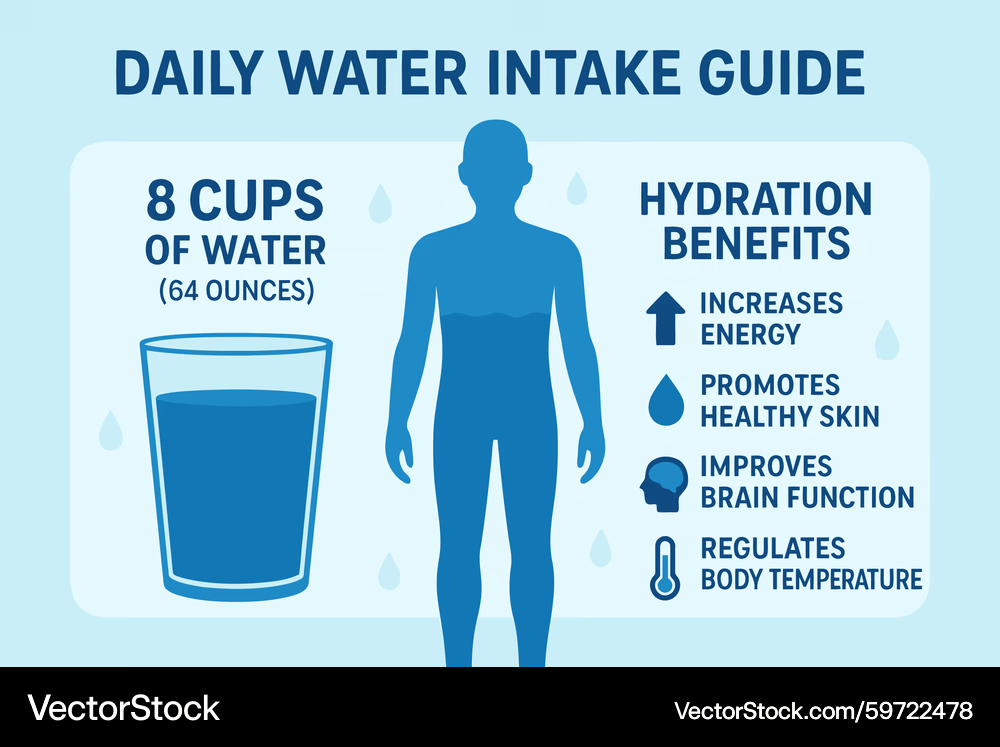
Water, black coffee, and unsweetened tea are allowed during fasting periods and won’t break your fast. In fact, staying well-hydrated is crucial for minimizing hunger and supporting the detoxification processes fasting triggers.
Coffee and tea can actually suppress appetite, making fasting easier. Just avoid adding sugar, milk, or cream, which break your fast by spiking insulin.
Eat Normally (Not Excessively) During Eating Windows
A common mistake is dramatically overeating during eating windows, which can negate weight loss benefits. While you don’t need to count calories obsessively, eat reasonably nutritious meals similar to what you’d consume normally.
Focus on whole foods lean proteins, vegetables, fruits, whole grains, and healthy fats. These nutrient-dense choices maximize the health benefits while naturally controlling calorie intake through satiety.
Listen to Your Body
Mild hunger during fasting is normal and actually indicates the process is working. However, severe discomfort, dizziness, or weakness suggests you need to adjust your approach.
Some people adapt to fasting within days; others need weeks. Give your body time to adjust before deciding intermittent fasting isn’t for you.
Time Your Exercise Appropriately
You can absolutely exercise while fasting. Many people prefer working out in a fasted state for potential fat-burning benefits. However, intense workouts might feel challenging initially until you’re fat-adapted.
If exercise feels difficult while fasting, schedule workouts during eating windows or shortly before breaking your fast so you can refuel immediately after.
Common Intermittent Fasting Mistakes to Avoid
Breaking Your Fast Too Early
The intermittent fasting benefits accumulate during extended fasting periods. Breaking your fast prematurely because you’re slightly hungry prevents your body from fully accessing fat stores and activating autophagy.
Unless you feel genuinely unwell, push through mild hunger. It typically passes within 20-30 minutes as your body releases stored energy.
Overeating or Making Poor Food Choices
Eating windows aren’t license to binge on junk food. While intermittent fasting is flexible about food choices, eating poorly undermines health benefits and can prevent weight loss despite fasting.
Prioritize nutrient-dense whole foods during eating windows to maximize results and feel your best.
Not Drinking Enough Water
Dehydration mimics hunger and makes fasting unnecessarily difficult. Many people are chronically dehydrated anyway—fasting makes this worse if you’re not consciously increasing water intake.
Aim for at least 8-10 glasses of water daily, more if you’re active or in hot climates.
Ignoring Hunger Cues vs. Actual Needs
While mild hunger during fasting is normal, ignoring your body’s genuine distress signals is harmful. Fasting should feel challenging but manageable, not torturous.
If you feel dizzy, extremely weak, or unwell, break your fast. Intermittent fasting isn’t a competition it’s a tool that should enhance your life, not diminish it.
Expecting Instant Results
Like any lifestyle change, intermittent fasting requires consistency over time. Some people see results within weeks; others need months. Metabolic adaptation takes time, especially if you’ve struggled with weight or metabolic issues for years.
Focus on how you feel energy, mental clarity, digestion rather than just scale numbers. These improvements often precede visible weight loss.
Who Should Avoid Intermittent Fasting?
While intermittent fasting is safe for most healthy adults, certain groups should avoid it or consult healthcare providers first:
Pregnant or breastfeeding women have increased nutritional needs that fasting can compromise.
People with a history of eating disorders may find fasting triggers unhealthy restriction patterns.
Children and teenagers are still growing and need consistent nutrition.
People with diabetes or blood sugar issues must carefully monitor glucose levels, as fasting can cause dangerous drops.
Those with very low BMI or underweight shouldn’t fast without medical supervision.
People taking medications that require food need to coordinate timing with healthcare providers.
If you have any chronic health conditions, discuss intermittent fasting with your doctor before starting.
Combining Intermittent Fasting with Other Strategies
Pairing with Healthy Eating
Combine intermittent fasting with the best weight loss foods for optimal results. Focus on lean proteins, vegetables, healthy fats, and whole grains during eating windows.
This combination addresses both when and what you eat, creating powerful synergy for weight loss and health improvements.
Adding Exercise
Exercise and fasting complement each other beautifully. Fasted cardio may enhance fat burning, while eating adequate protein during feeding windows supports muscle growth and recovery.
Many people find they perform well during fasted workouts once adapted, though this varies individually.
Ensuring Adequate Sleep
Sleep quality significantly impacts intermittent fasting success. Poor sleep increases hunger hormones and decreases satiety hormones, making fasting more difficult.
Prioritize 7-9 hours of quality sleep to maximize intermittent fasting benefits and make the process more sustainable.
Tracking Your Progress
Beyond the scale, monitor these indicators of success:
Energy levels throughout the day, especially during fasting periods
Mental clarity and focus during fasting windows
Hunger patterns and how they change over time
Sleep quality and whether it improves
Digestive health and any changes in regularity or comfort
Clothing fit often changes before scale numbers do
Body measurements provide better progress indicators than weight alone
Blood work if you’re using intermittent fasting to improve metabolic markers
Frequently Asked Questions
Q1: Will intermittent fasting slow my metabolism?
No, short-term fasting actually increases metabolism slightly through elevated norepinephrine levels. Metabolic slowdown occurs with prolonged calorie restriction (weeks to months of undereating), not with the eating patterns used in intermittent fasting. Studies show that fasting for up to 48 hours actually boosts metabolic rate by 3.6-14%. The key is eating adequate calories during feeding windows.
Q2: Can I drink coffee during fasting periods?
Yes, black coffee is allowed during fasting and won’t break your fast. Coffee can actually make fasting easier by suppressing appetite and providing energy. However, adding sugar, milk, cream, or butter breaks your fast by triggering insulin release. If you must add something, a tiny splash of unsweetened almond milk has minimal impact, though purists avoid even this.
Q3: How long does it take to see weight loss results with intermittent fasting?
Most people notice changes within 2-4 weeks, though this varies based on starting weight, adherence, and what you eat during feeding windows. Some lose 1-2 pounds weekly, while others see slower but steady progress. Non-scale victories like improved energy, better sleep, and reduced bloating often appear before significant weight loss. Give it at least 4-6 weeks of consistent practice before evaluating effectiveness.
Q4: Is it okay to work out while fasting?
Absolutely. Many people prefer fasted workouts once adapted. Your body can absolutely fuel exercise from stored fat and glycogen during fasting. However, the adaptation period takes 2-4 weeks. If you feel weak during workouts initially, try exercising during eating windows until you’re fat-adapted. Stay well-hydrated and break your fast if you feel genuinely unwell during exercise.
Q5: What should I eat to break my fast?
Start with something easily digestible rather than a huge meal. A small portion of protein with vegetables works well, or a handful of nuts with an apple. Avoid breaking fasts with pure sugar or refined carbs, which can cause uncomfortable blood sugar spikes after your body has been in a fasted state. Gradually increase portion size rather than immediately eating a massive meal.
The Bottom Line: Is Intermittent Fasting Right for You?
Intermittent fasting is a powerful tool backed by substantial research, but it’s not magic and it’s not for everyone. The intermittent fasting benefits weight loss, improved metabolic health, cellular repair, and potential longevity are real and well-documented.
However, success requires consistency, patience, and a willingness to adapt the approach to your unique body and lifestyle. This intermittent fasting guide provides the foundation, but you’ll need to experiment to find what works best for you.
Start conservatively with 16/8 and give your body several weeks to adapt before judging results. Focus on how you feel, not just what the scale says. If you feel energized, focused, and healthy while achieving your goals, you’ve found a sustainable approach.
Remember that intermittent fasting is a tool, not a religion. Some people thrive on it long-term; others use it periodically for specific goals. There’s no shame in deciding it’s not for you the best diet is always the one you can maintain.
If you do find intermittent fasting fits your lifestyle, you’ve discovered an evidence-based approach that requires no special foods, supplements, or complicated rules. Just a shift in timing that works with your body’s natural rhythms rather than against them.
Give it an honest try, listen to your body, and adjust as needed. The potential benefits make it worth exploring for most healthy adults interested in weight loss fasting or broader health improvements.