Stress has become an unwelcome companion in modern life. Whether it’s work deadlines, financial worries, relationship challenges, or simply the overwhelming pace of daily responsibilities, stress can feel inescapable. The physical and mental toll of chronic stress affects everything from your sleep quality to your immune system, making it essential to develop effective coping strategies.
The good news is that you don’t need expensive treatments or complicated interventions to find relief. Learning how to reduce stress quickly using natural methods at home puts the power back in your hands. This comprehensive guide will equip you with practical, science-backed techniques you can implement immediately to calm your mind, relax your body, and restore your sense of wellbeing.
Understanding Stress and Why It Matters
Before diving into solutions, it’s helpful to understand what happens in your body during stress. When you perceive a threat whether it’s a looming deadline or a heated argument your body activates the fight-or-flight response. Your adrenal glands release cortisol and adrenaline, your heart rate increases, your muscles tense, and your breathing becomes shallow.
While this response is lifesaving in genuine emergencies, most modern stressors don’t require physical action. When stress becomes chronic, your body remains in this heightened state, leading to headaches, digestive issues, sleep problems, weakened immunity, anxiety, depression, and increased risk of serious health conditions like heart disease.
Learning how to reduce stress quickly isn’t just about feeling better in the moment it’s about protecting your long-term health and quality of life.
Immediate Stress Relief Techniques You Can Use Anywhere
When stress hits suddenly and you need relief fast, these techniques can calm your nervous system within minutes.
Deep Breathing Exercises
One of the most powerful answers to how to reduce stress quickly lies in something you do automatically—breathing. However, conscious, controlled breathing can dramatically shift your physiological state from stressed to calm.
The 4-7-8 Breathing Technique: Inhale quietly through your nose for 4 counts, hold your breath for 7 counts, then exhale completely through your mouth for 8 counts. Repeat this cycle 3-4 times. This pattern activates your parasympathetic nervous system, which controls your body’s relaxation response.
Box Breathing: Inhale for 4 counts, hold for 4 counts, exhale for 4 counts, and hold again for 4 counts. Visualize tracing the sides of a square as you breathe. This technique is used by Navy SEALs to maintain calm under extreme pressure.
The beauty of breathing exercises is their accessibility—you can practice them during a stressful meeting, in traffic, before bed, or anytime anxiety creeps in.
Progressive Muscle Relaxation
Stress manifests physically as muscle tension, particularly in your neck, shoulders, and jaw. Progressive muscle relaxation helps you release this tension systematically.
Start at your toes and work upward. Tense each muscle group for 5 seconds, then release completely for 10 seconds. Notice the difference between tension and relaxation. Move through your feet, calves, thighs, abdomen, hands, arms, shoulders, neck, and face. This practice not only relieves physical tension but also trains your awareness of where you hold stress in your body.
The 5-4-3-2-1 Grounding Technique
When stress triggers anxiety or overwhelm, grounding techniques reconnect you with the present moment rather than ruminating about past or future concerns.
Identify 5 things you can see, 4 things you can touch, 3 things you can hear, 2 things you can smell, and 1 thing you can taste. This sensory focus interrupts anxious thought patterns and brings you back to the here and now, where you’re actually safe.
Natural Stress Relief Through Physical Activity
Movement is medicine when it comes to stress management. Physical activity reduces stress hormones like cortisol and adrenaline while stimulating production of endorphins, your body’s natural mood elevators.
Gentle Yoga and Stretching
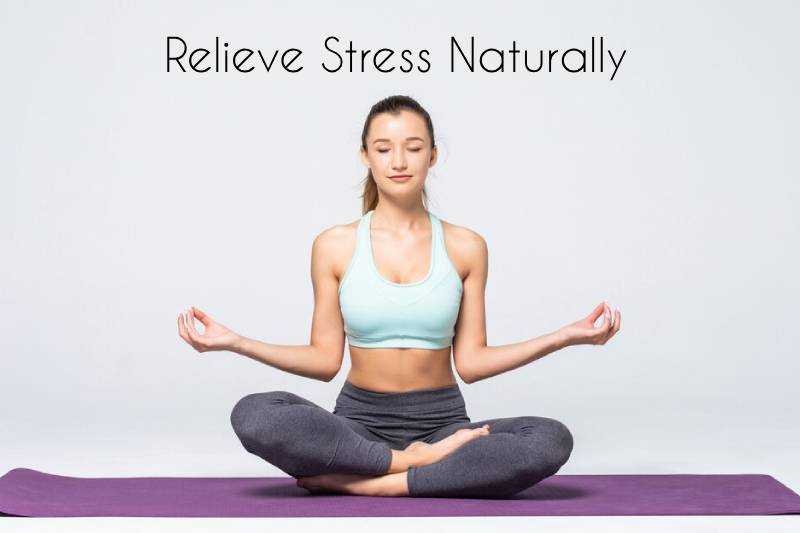
You don’t need to be flexible or athletic to benefit from yoga. Simple poses and stretches release muscular tension and promote mind-body connection. Child’s pose, cat-cow stretches, and forward folds are particularly calming. Even 10 minutes of gentle stretching can significantly reduce stress levels.
Yoga combines physical movement with controlled breathing and mindful awareness, making it a comprehensive stress-relief practice. The best part is that you can practice at home with free online videos requiring no special equipment.
Walking in Nature
Research consistently shows that spending time in nature reduces stress hormones, lowers blood pressure, and improves mood. A 20-30 minute walk in a park, forest, or even a tree-lined neighborhood provides multiple stress-reduction benefits simultaneously.
The combination of gentle physical activity, natural scenery, fresh air, and often sunlight creates a powerful antidote to stress. Make this a daily habit if possible, or at minimum several times weekly. Leave your phone in your pocket and simply notice your surroundings—the colors, sounds, textures, and scents.
Dance and Expressive Movement
Sometimes the best way to release stress is through uninhibited movement. Put on your favorite upbeat music and dance like nobody’s watching (because they’re not you’re at home). This joyful movement releases endorphins, provides an emotional outlet, and shifts your mental state remarkably quickly.
Creating a Calming Home Environment
Your physical environment significantly impacts your stress levels. Making intentional changes to your space supports ongoing stress reduction.
Declutter Your Space
Clutter creates visual stress and can make you feel overwhelmed before you even consciously register why. Spend 15 minutes daily decluttering one small area a countertop, a drawer, your desk. The sense of control and order this creates extends to your mental state.
Optimize Lighting and Scents
Harsh overhead lighting increases stress, while soft, warm lighting promotes relaxation. Use lamps, candles, or string lights to create a gentler ambiance, especially in evening hours when your body naturally prepares for rest.
Essential oils offer another pathway for stress relief. Lavender promotes relaxation and better sleep, chamomile reduces anxiety, bergamot elevates mood, and eucalyptus clears mental fog. Use a diffuser, add drops to a bath, or simply inhale from the bottle during stressful moments.
Create a Relaxation Corner
Designate a specific area in your home as your stress-relief sanctuary. This might include a comfortable chair, soft blanket, soothing artwork, plants, and items that bring you joy. Having a dedicated space for relaxation signals to your brain that it’s time to shift gears and unwind.
Nutritional Approaches to Stress Management
What you eat directly affects how your body handles stress. While food alone won’t eliminate stress, strategic nutritional choices support your resilience.
Foods That Combat Stress
Complex carbohydrates like oatmeal, whole grain bread, and brown rice boost serotonin production, promoting calm feelings. Fatty fish rich in omega-3s (salmon, mackerel, sardines) reduce inflammation and support brain health. Magnesium-rich foods including dark leafy greens, nuts, seeds, and dark chocolate help regulate cortisol levels. Probiotic foods like yogurt, kefir, and fermented vegetables support gut health, which directly influences mood and stress response.
Foods and Substances to Limit
Caffeine amplifies stress by increasing cortisol and can worsen anxiety symptoms. If you’re experiencing significant stress, consider reducing coffee intake or switching to tea, which contains L-theanine, a compound that promotes calm focus.
Sugar causes blood sugar spikes and crashes that exacerbate stress and mood swings. Alcohol, while initially relaxing, disrupts sleep quality and can increase anxiety once its effects wear off.
Stay Hydrated
Dehydration increases cortisol production and can cause symptoms that mimic or worsen stress headaches, fatigue, difficulty concentrating. Aim for 8-10 glasses of water daily, adjusting upward if you’re physically active or in hot weather.
Mind-Based Stress Reduction Techniques
Your thoughts directly influence your stress levels. These mental practices help you respond to stressors more skillfully.
Meditation and Mindfulness
Meditation doesn’t require special skills or extensive time commitments. Start with just 5 minutes daily of sitting quietly and focusing on your breath. When your mind wanders (and it will), gently return attention to your breathing without judgment.
Mindfulness paying attention to the present moment with acceptance can be practiced throughout your day. Whether you’re washing dishes, eating lunch, or brushing your teeth, bring full attention to the sensory experience rather than operating on autopilot while your mind races elsewhere.
Journaling for Emotional Release
Writing about stressful experiences provides emotional release and helps you process difficult feelings. Try these journaling approaches:
Stream of consciousness writing: Set a timer for 10 minutes and write continuously without editing or censoring. Let everything pour out onto the page.
Gratitude journaling: List 3-5 things you’re grateful for daily. This practice trains your brain to notice positive aspects of life rather than fixating on stressors.
Worry time: Designate 15 minutes daily to write all your worries. Outside this time, when anxious thoughts arise, remind yourself you’ll address them during worry time. This contains anxious rumination rather than letting it dominate your entire day.
Cognitive Reframing
How you interpret events matters as much as the events themselves. When facing a stressor, ask yourself: Is this thought helpful? Is there another way to view this situation? What would I tell a friend in this circumstance?
For example, instead of thinking “I’m terrible at presentations,” reframe to “Presentations are challenging for me, but I’m improving with practice.” This subtle shift reduces stress and opens possibilities rather than reinforcing limiting beliefs.
Social Connection as Stress Relief
Humans are social creatures, and connection serves as a powerful stress buffer. While stress often makes us want to isolate, reaching out typically provides relief.
Talk to Someone You Trust
Simply verbalizing your stressors to a supportive listener can provide perspective and emotional release. You don’t need advice or solutions—sometimes being heard and understood is enough. Call a friend, family member, or therapist when stress feels overwhelming.
Physical Affection
Hugs, hand-holding, and physical affection release oxytocin, the bonding hormone that counteracts cortisol. Even cuddling with a pet provides this benefit. If you live alone, don’t underestimate the stress-relief value of adopting a furry companion.
Help Someone Else
Paradoxically, one of the best ways to reduce your own stress is to help someone else. Volunteering, doing a favor for a neighbor, or simply listening to a friend shifts your focus outward and provides perspective on your own challenges while releasing feel-good hormones.
Establishing Stress-Reducing Routines
Quick stress relief techniques are valuable, but lasting resilience comes from consistent habits that prevent stress from accumulating.
Morning Rituals That Set a Calm Tone
How you start your day influences your entire day. Instead of immediately checking your phone, begin with a calming ritual: stretching, meditation, journaling, or simply enjoying your coffee without distractions. Even 10 minutes of intentional morning calm makes a significant difference.
Evening Wind-Down Routine
Create a consistent pre-sleep routine that signals your body it’s time to relax. This might include dimming lights, taking a warm bath with Epsom salts, reading, gentle stretching, or listening to calming music. Avoid screens for at least an hour before bed, as blue light interferes with melatonin production.
Regular Digital Detoxes
Constant connectivity fuels stress. Designate phone-free times or zones in your home. Consider a weekly digital sabbath where you disconnect from all devices for several hours. The world will keep turning, and you’ll return feeling refreshed rather than frazzled.
When to Seek Professional Help
While these natural methods effectively manage everyday stress, persistent, overwhelming stress that interferes with daily functioning may require professional support. Consider reaching out to a mental health professional if you experience ongoing anxiety, depression, panic attacks, physical symptoms like chest pain or chronic headaches, or if stress significantly impacts your relationships or work performance.
Therapy isn’t a sign of weakness—it’s a powerful tool for developing personalized stress management strategies and addressing underlying issues that contribute to chronic stress.
Building Your Personal Stress Relief Toolkit
Everyone responds differently to stress relief techniques. Experiment with the methods outlined here to discover what resonates with you. You might find that deep breathing works perfectly for acute stress, while yoga provides ongoing resilience. Perhaps journaling helps you process specific stressors, while nature walks provide general restoration.
Create a personalized toolkit of techniques you can draw from depending on your circumstances. The key is consistency these methods work best when practiced regularly, not just during crisis moments.
Remember, learning how to reduce stress quickly is a skill that improves with practice. Be patient and compassionate with yourself as you develop these habits. Each small step toward better stress management contributes to significant improvements in your overall health, happiness, and quality of life.
Frequently Asked Questions
Q1: What is the fastest way to reduce stress in the moment?
The fastest stress relief technique is deep breathing, specifically the 4-7-8 method. This activates your parasympathetic nervous system within minutes, physically shifting your body from fight-or-flight mode to relaxation. Breathe in for 4 counts, hold for 7, exhale for 8, and repeat 3-4 times. You can do this anywhere—at your desk, in your car, or even during a stressful conversation. Combining deep breathing with progressive muscle relaxation or the 5-4-3-2-1 grounding technique provides even faster relief for acute stress.
Q2: How long does it take for natural stress relief methods to work?
Immediate techniques like deep breathing and progressive muscle relaxation work within 5-10 minutes to reduce acute stress symptoms. However, building lasting stress resilience through practices like regular meditation, exercise, and healthy lifestyle habits typically takes 2-4 weeks of consistent practice before you notice significant improvements. The key is daily consistency rather than occasional intensive efforts. Think of stress management like physical fitness regular small doses of practice create greater benefits than sporadic intense sessions.
Q3: Can stress relief techniques replace medication for anxiety?
Natural stress relief methods can be highly effective for managing everyday stress and mild to moderate anxiety, and they provide valuable tools for everyone. However, they should not replace prescribed medication without consulting your healthcare provider. Many people successfully combine medication with natural stress management techniques, eventually reducing or eliminating medication under medical supervision as their coping skills strengthen. If you have diagnosed anxiety disorder or your stress significantly impairs daily functioning, work with a mental health professional to create a comprehensive treatment plan.
Q4: Why do I still feel stressed even when I try relaxation techniques?
Several factors might explain this. First, stress management is a skill that improves with practice—techniques may feel awkward or ineffective initially but become more powerful with repetition. Second, you might be addressing symptoms without addressing root causes. If chronic work stress is the issue, breathing exercises provide temporary relief but won’t solve the underlying problem. Third, underlying conditions like anxiety disorders, depression, or hormonal imbalances may require professional treatment. Finally, ensure you’re practicing techniques correctly and giving them adequate time expect gradual improvement rather than instant transformation.
Q5: How much time should I dedicate to stress relief practices daily?
While any amount helps, aim for at least 20-30 minutes daily dedicated specifically to stress management. This might be divided into shorter sessions: 10 minutes of morning meditation, a 20-minute walk during lunch, and 10 minutes of evening journaling. Additionally, incorporate brief stress-relief techniques throughout your day 2 minutes of deep breathing before meetings, stretching breaks every hour, or mindful eating at meals. The goal isn’t adding more to your schedule but rather infusing stress-awareness into existing activities. Quality matters more than quantity, so 10 minutes of focused practice beats 30 minutes of distracted effort.