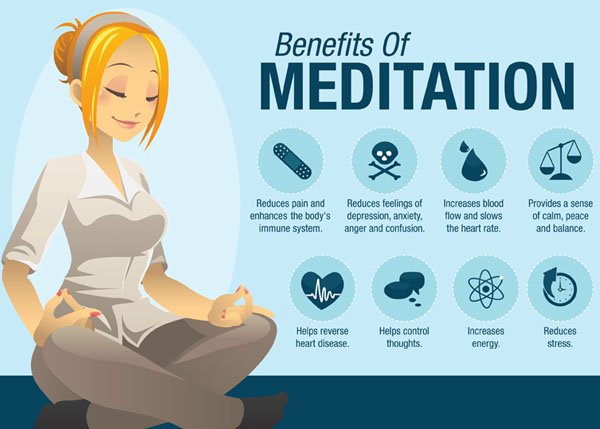
In our fast-paced, constantly distracted world, the ancient practice of meditation has emerged as one of the most powerful tools for mental health and wellbeing. What was once considered a mystical or religious practice has now been validated by thousands of scientific studies demonstrating remarkable meditation mental health benefits that transform how we think, feel, and relate to ourselves and others.
Whether you’re struggling with anxiety, depression, stress, or simply seeking greater peace and clarity in your life, meditation offers accessible, evidence-based support. The best part? You don’t need special equipment, extensive training, or even much time to experience profound benefits. This comprehensive guide explores the science-backed ways meditation improves mental health and provides practical guidance for beginning your own practice.
Understanding Meditation and How It Works
Meditation encompasses various practices that train your attention and awareness, typically by focusing on a specific object like your breath, a mantra, or bodily sensations. Despite different techniques, most forms of meditation share common elements: focused attention, relaxed breathing, a quiet setting, and a comfortable position.
The magic of meditation lies in how it literally changes your brain. Neuroscience research using brain imaging technology reveals that regular meditation practice alters brain structure and function in ways that enhance mental health. These aren’t temporary changes consistent practice creates lasting neurological modifications that support emotional regulation, stress resilience, and psychological wellbeing.
Understanding these mechanisms helps demystify meditation and reinforces why the practice produces such powerful meditation mental health benefits across diverse conditions and populations.
How Meditation Reduces Anxiety and Stress
Among the most well-documented meditation mental health benefits is its remarkable ability to reduce anxiety and manage stress. When you meditate regularly, you’re essentially training your brain to respond differently to stressors and anxious thoughts.
The Neurological Impact on Anxiety
Research shows that meditation reduces activity in the amygdala, the brain region responsible for processing fear and emotional responses to threats. This means your brain becomes less reactive to anxiety triggers. Simultaneously, meditation strengthens connections between the prefrontal cortex (your rational thinking center) and emotional processing regions, giving you greater control over anxious responses.
In practical terms, this means that situations that once triggered immediate anxiety become more manageable. You gain the ability to observe anxious thoughts without being swept away by them, creating space between stimulus and response where you can choose how to react.
Lowering Cortisol and Stress Hormones
One of the most tangible meditation mental health benefits is its effect on stress hormones. Studies consistently demonstrate that regular meditation practice lowers cortisol levels, the hormone released during stress that, when chronically elevated, contributes to anxiety, depression, sleep problems, and various physical health issues.
Even brief meditation sessions activate the parasympathetic nervous system your body’s relaxation response counteracting the fight-or-flight activation that characterizes anxiety. With regular practice, your baseline stress level decreases, meaning you start each day from a calmer foundation.
Breaking the Worry Cycle
Anxiety often involves repetitive, uncontrollable worry thoughts that loop endlessly. Meditation teaches you to observe thoughts without engagement, recognizing them as mental events rather than facts requiring action. This metacognitive awareness awareness of your own thinking is one of the most valuable meditation mental health benefits for anxiety management.
Over time, you develop the capacity to notice when worry spirals begin and gently redirect attention back to the present moment, where problems often seem less overwhelming or even dissolve entirely.
Meditation’s Impact on Depression
Depression affects millions worldwide, and while medication and therapy remain important treatments, meditation offers complementary support with significant evidence backing its effectiveness.
Mindfulness-Based Cognitive Therapy
Mindfulness-Based Cognitive Therapy (MBCT) combines meditation practices with cognitive therapy principles specifically for depression prevention and treatment. Research shows that MBCT reduces relapse rates in recurrent depression by approximately 50%, results comparable to maintenance antidepressant medication.
The meditation mental health benefits for depression work through several mechanisms. Meditation helps interrupt rumination—the repetitive negative thinking patterns that fuel depression. It also increases awareness of early warning signs of depressive episodes, allowing for earlier intervention.
Shifting Brain Patterns Associated with Depression
Depression is associated with decreased activity in the left prefrontal cortex (associated with positive emotions) and increased activity in regions processing negative emotions. Regular meditation practice shifts this balance, increasing left prefrontal cortex activity and decreasing excessive rumination and negative self-focus.
Meditation also increases production of neurotransmitters like serotonin and dopamine, which play crucial roles in mood regulation. While meditation doesn’t replace medication for clinical depression, these neurochemical changes provide meaningful support for mental health.
Cultivating Self-Compassion
Many people with depression engage in harsh self-criticism that deepens suffering. Loving-kindness meditation and other compassion-focused practices significant components of meditation mental health benefits help develop kindness toward yourself, reducing the self-judgment that often accompanies depression.
This self-compassion doesn’t mean excusing poor choices or avoiding responsibility; rather, it means treating yourself with the same kindness you’d offer a good friend facing similar struggles.
Enhanced Emotional Regulation and Resilience
One of the most life-changing meditation mental health benefits is improved emotional regulation the ability to manage your emotional responses effectively without being overwhelmed or reactive.
Increased Emotional Awareness
Meditation develops interoceptive awareness, your ability to sense internal bodily states. This heightened awareness helps you notice emotions as they arise rather than being ambushed by them. Early detection allows you to respond skillfully before emotions escalate.
You learn to identify the physical sensations associated with different emotions the chest tightness of anxiety, the heaviness of sadness, the heat of anger and recognize these as temporary bodily experiences rather than your essential identity.
The Space Between Stimulus and Response
Viktor Frankl famously said, “Between stimulus and response there is a space. In that space is our power to choose our response.” Meditation expands that space. Instead of automatically reacting to emotional triggers, you gain the capacity to pause, observe what’s arising, and choose a response aligned with your values rather than driven by impulse.
This doesn’t mean suppressing emotions that’s unhealthy and ineffective. Instead, you feel emotions fully while maintaining perspective, allowing them to move through you without controlling your behavior.
Building Psychological Resilience
Regular meditation practice builds resilience your capacity to bounce back from adversity. Research shows that meditators recover more quickly from stressful events, experience less emotional volatility, and maintain greater wellbeing during challenging life circumstances. These resilience-building qualities represent some of the most protective meditation mental health benefits.
Improved Focus, Concentration, and Cognitive Function
Beyond emotional wellbeing, meditation produces remarkable cognitive benefits that enhance how your mind functions daily.
Strengthening Attention and Concentration
Meditation is essentially attention training. Whether you’re focusing on breath, body sensations, or a mantra, you’re exercising your attention muscles. When your mind wanders (which it inevitably will), gently returning focus strengthens neural circuits involved in sustained attention.
Studies show that even brief meditation practice as little as 10-15 minutes daily significantly improves concentration, attention span, and ability to sustain focus on tasks. These meditation mental health benefits prove particularly valuable in our distraction-filled modern environment where maintaining focus has become increasingly challenging.
Enhanced Working Memory
Working memory your ability to hold and manipulate information temporarily improves with regular meditation practice. Research with students shows that meditation training enhances working memory capacity, leading to improved academic performance and cognitive flexibility.
Reduced Mind Wandering
The average mind wanders approximately 50% of our waking hours, often to negative or stressful thoughts. Meditation significantly reduces this default mind-wandering, keeping you more present and engaged with current experience. Less mind-wandering correlates with greater happiness and life satisfaction, adding to the extensive meditation mental health benefits.
Better Sleep Quality
Sleep problems plague millions and significantly impact mental health. Fortunately, meditation offers powerful support for improved sleep through multiple pathways.
Calming the Overactive Mind
The racing thoughts that prevent sleep respond remarkably well to meditation practice. Techniques like body scan meditation or breath awareness practiced before bed calm mental chatter, making it easier to transition into sleep. Regular daytime practice reduces overall mental activation, leading to quieter minds at night.
Reducing Insomnia Symptoms
Clinical trials demonstrate that mindfulness meditation significantly reduces insomnia severity, with effects comparable to sleep medication but without side effects. The meditation mental health benefits for sleep work by reducing arousal, decreasing worry about sleep itself, and helping you disengage from thoughts that maintain wakefulness.
Improving Sleep Architecture
Meditation doesn’t just help you fall asleep it improves sleep quality. Studies show that meditators spend more time in deep, restorative sleep stages and experience fewer sleep disturbances throughout the night. Better sleep creates a positive feedback loop, as quality rest further supports mental health and makes meditation practice easier.
Reduced Symptoms of PTSD and Trauma
Post-traumatic stress disorder and trauma survivors often find significant relief through meditation practice, particularly trauma-informed approaches designed with their specific needs in mind.
Processing Trauma Memories
Meditation helps create a sense of safety in your own body, which trauma often disrupts. Through gentle, mindful awareness, you can gradually reconnect with bodily sensations without becoming overwhelmed, an essential component of trauma healing.
The meditation mental health benefits for PTSD include reduced intrusive thoughts, decreased hypervigilance, improved emotional regulation, and greater sense of present-moment safety. Trauma-sensitive meditation approaches recognize that traditional practices may be triggering and adapt accordingly.
Reducing Hyperarousal
PTSD involves chronic hyperarousal where your nervous system remains on high alert. Meditation activates the parasympathetic nervous system, providing physiological relief from constant vigilance. Over time, regular practice helps reset your nervous system’s baseline, reducing overall arousal levels.
Enhanced Self-Awareness and Personal Growth
Beyond treating specific mental health conditions, meditation supports profound personal growth and self-understanding.
Understanding Your Mental Patterns
Meditation reveals your mind’s habitual patterns repetitive thoughts, emotional triggers, defense mechanisms, and unconscious beliefs. This awareness itself is transformative, as you cannot change what you don’t see. Understanding these patterns is among the most valuable meditation mental health benefits for long-term wellbeing.
Developing Authentic Values
Regular practice helps you distinguish between values imposed by society, family, or past conditioning and your authentic desires and principles. This clarity supports decision-making aligned with what genuinely matters to you, increasing life satisfaction and sense of purpose.
Expanding Perspective
Meditation helps you realize that you are not your thoughts or emotions but rather the awareness that observes them. This shift in perspective sometimes called “decentering” is profoundly liberating, reducing over-identification with negative experiences.
Social and Relational Benefits
The meditation mental health benefits extend beyond your internal experience to improve relationships and social functioning.
Increased Empathy and Compassion
Loving-kindness and compassion meditation specifically cultivate positive feelings toward yourself and others. Research shows these practices increase empathy, prosocial behavior, and sense of connection with others. Brain imaging reveals increased activation in regions associated with empathy and emotional understanding.
Better Communication
The emotional regulation and present-moment awareness developed through meditation translate into improved communication. You listen more fully, react less defensively, and respond more thoughtfully, strengthening all relationships.
Reduced Loneliness
Even though meditation is often practiced alone, it paradoxically reduces feelings of loneliness and increases sense of social connection. The self-compassion and acceptance cultivated through practice help you feel more comfortable with yourself and more open to genuine connection with others.
Different Types of Meditation and Their Specific Benefits
While all meditation forms offer mental health benefits, different styles emphasize particular outcomes.
Mindfulness Meditation
Mindfulness involves paying attention to present-moment experience without judgment. This most-researched form of meditation provides broad meditation mental health benefits including reduced anxiety, depression, and stress while improving attention and emotional regulation.
Loving-Kindness Meditation (Metta)
This practice cultivates feelings of goodwill toward yourself and others through repeated phrases like “May I be happy, may I be healthy, may I be safe.” Particularly beneficial for depression, self-criticism, and relationship difficulties, loving-kindness meditation increases positive emotions and social connection.
Transcendental Meditation
This technique uses personalized mantras for 20 minutes twice daily. Research shows significant benefits for anxiety, PTSD, and cardiovascular health. The deep rest achieved during practice provides powerful stress relief.
Body Scan Meditation
Systematically directing attention through different body parts, body scan meditation enhances body awareness, reduces chronic pain, and promotes relaxation. Particularly helpful for anxiety manifesting physically and for improving sleep.
Breath Awareness Meditation
Focusing on natural breathing patterns provides an accessible entry point for beginners. This simple practice offers immediate stress relief while developing concentration skills foundational to other meditation forms.
How to Start Your Meditation Practice
Understanding meditation mental health benefits intellectually is one thing; experiencing them requires consistent practice. Here’s how to begin:
Start Small and Build Gradually
Begin with just 5 minutes daily rather than attempting 30-minute sessions that feel overwhelming. Consistency matters far more than duration. As the practice becomes habitual, gradually extend session length as feels comfortable.
Choose a Consistent Time and Place
Meditating at the same time and place daily builds habit strength. Many people prefer morning meditation to set a positive tone for the day, while others find evening practice helps them unwind. Experiment to discover what works best for you.
Use Guided Meditations
Numerous apps (Headspace, Calm, Insight Timer) and YouTube channels offer guided meditations perfect for beginners. A voice guiding you through the practice helps maintain focus and provides structure while you develop skills.
Be Kind to Yourself
Your mind will wander constantly, especially initially. This is completely normal and doesn’t mean you’re “doing it wrong.” The practice isn’t about achieving a thoughtless mind but rather noticing when attention wanders and gently returning focus. Each time you notice and return is a successful moment of practice.
Consider Taking a Class
Learning from an experienced teacher, whether in-person or online, provides valuable guidance and helps establish proper technique. Many communities offer Mindfulness-Based Stress Reduction (MBSR) courses that provide structured introduction to meditation practice.
Common Obstacles and How to Overcome Them
“I Don’t Have Time”
This is the most common obstacle, yet we find time for what we prioritize. Remember that meditation doesn’t take time from your day it gives time back by increasing focus and efficiency. Even 5 minutes provides meaningful benefits.
“I Can’t Clear My Mind”
This misconception prevents many people from trying meditation. The goal isn’t clearing your mind but changing your relationship with thoughts. Thoughts will arise you’re learning to observe them without attachment.
“I Feel Restless or Uncomfortable”
Physical discomfort is common initially. Start with shorter sessions, ensure your posture is comfortable (you don’t need to sit cross-legged), and remember that restlessness diminishes with practice as your nervous system learns to settle.
“I’m Not Seeing Results”
Meditation mental health benefits often accumulate gradually. Some people notice immediate effects while others require several weeks of consistent practice. Keep a journal tracking your mood, stress levels, and mental state to notice subtle improvements that might otherwise go unrecognized.
Integrating Meditation Into Comprehensive Mental Health Care
While meditation offers powerful benefits, it’s most effective as part of comprehensive mental health care rather than a standalone treatment for serious conditions.
If you experience significant anxiety, depression, or other mental health challenges, work with qualified mental health professionals. Meditation complements therapy and medication beautifully but shouldn’t replace evidence-based treatments for clinical conditions. Discuss your meditation practice with your healthcare providers, who can offer guidance on how it fits into your overall treatment plan.
The Long-Term Journey
The most profound meditation mental health benefits emerge with sustained practice over months and years. This isn’t a quick fix but rather a lifelong skill that continuously deepens and rewards your investment.
As your practice matures, meditation becomes less about formal sitting sessions and more about bringing mindful awareness into daily life—being present while eating, walking, conversing, working. This integrated mindfulness represents the ultimate expression of meditation’s transformative potential.
The journey of meditation is highly personal. Your experience will be unique, and comparing yourself to others or trying to achieve particular experiences misses the point. Simply show up regularly with openness and curiosity, trusting that the practice will unfold in exactly the way that serves your growth and healing.
With patience, consistency, and self-compassion, meditation can become one of your most valuable tools for mental health, emotional wellbeing, and living a more conscious, connected, and meaningful life.
Frequently Asked Questions
Q1: How long does it take to experience meditation mental health benefits?
Some meditation mental health benefits appear immediately, even after a single session reduced stress, lower blood pressure, and increased calm. However, more substantial benefits like reduced anxiety, improved emotional regulation, and lasting changes in brain structure typically require consistent practice over several weeks. Most research shows significant improvements after 8 weeks of daily practice (the standard duration of MBSR programs). That said, any meditation is beneficial, and you may notice subtle improvements in mood, focus, and stress management within the first week. The key is regular, consistent practice rather than perfect or lengthy sessions.
Q2: Can meditation replace therapy or medication for mental health conditions?
Meditation is a powerful complementary tool but shouldn’t replace professional treatment for clinical mental health conditions. Research shows meditation enhances the effectiveness of therapy and may allow some people to reduce medication under medical supervision, but it’s not a substitute for evidence-based treatments. For diagnosed conditions like major depression, anxiety disorders, PTSD, or bipolar disorder, work with qualified mental health professionals who can integrate meditation into a comprehensive treatment plan. Meditation works best alongside, not instead of, other treatments. Always consult your healthcare provider before making changes to prescribed medications.
Q3: What is the best type of meditation for mental health?
Different meditation styles offer particular benefits, so the “best” type depends on your specific needs. Mindfulness meditation provides the broadest mental health benefits and has the most research support for anxiety and depression. Loving-kindness meditation excels at building self-compassion and reducing self-criticism. Transcendental meditation shows strong results for PTSD and deep stress relief. Body scan meditation helps with physical manifestations of anxiety and improving sleep. Rather than searching for the perfect technique, choose one that appeals to you and practice it consistently. Most meditation mental health benefits emerge from regular practice of any legitimate technique rather than from practicing the “optimal” method sporadically.
Q4: Is it normal to feel worse or more anxious when starting meditation?
Yes, this is surprisingly common and typically temporary. When you first meditate, you’re giving your mind space to notice thoughts and feelings you’ve been unconsciously avoiding or suppressing. This initial awareness can feel overwhelming, especially if you’ve been using constant distraction to manage difficult emotions. Some people also feel anxious about “doing it wrong” or frustrated that their mind wanders constantly. These challenges usually diminish within 1-2 weeks as you become more comfortable with the practice. If anxiety intensifies significantly or persists beyond a few weeks, consider working with a meditation teacher or therapist who can provide guidance. Trauma survivors particularly may need trauma-informed meditation approaches.
Q5: How much time should I dedicate to meditation daily for mental health benefits?
Research shows meaningful meditation mental health benefits from as little as 5-10 minutes of daily practice, though 20-30 minutes provides more substantial results. The most important factor isn’t duration but consistency 5 minutes every single day produces better outcomes than sporadic 60-minute sessions. Start with whatever feels manageable, even if that’s just 3-5 minutes. As meditation becomes habitual and you experience benefits, you’ll naturally want to extend your practice time. Most people find that 10-20 minutes daily provides an ideal balance between life demands and meaningful benefits. Remember that informal mindfulness throughout your day eating mindfully, walking with awareness, listening attentively supplements formal meditation practice and extends the benefits.