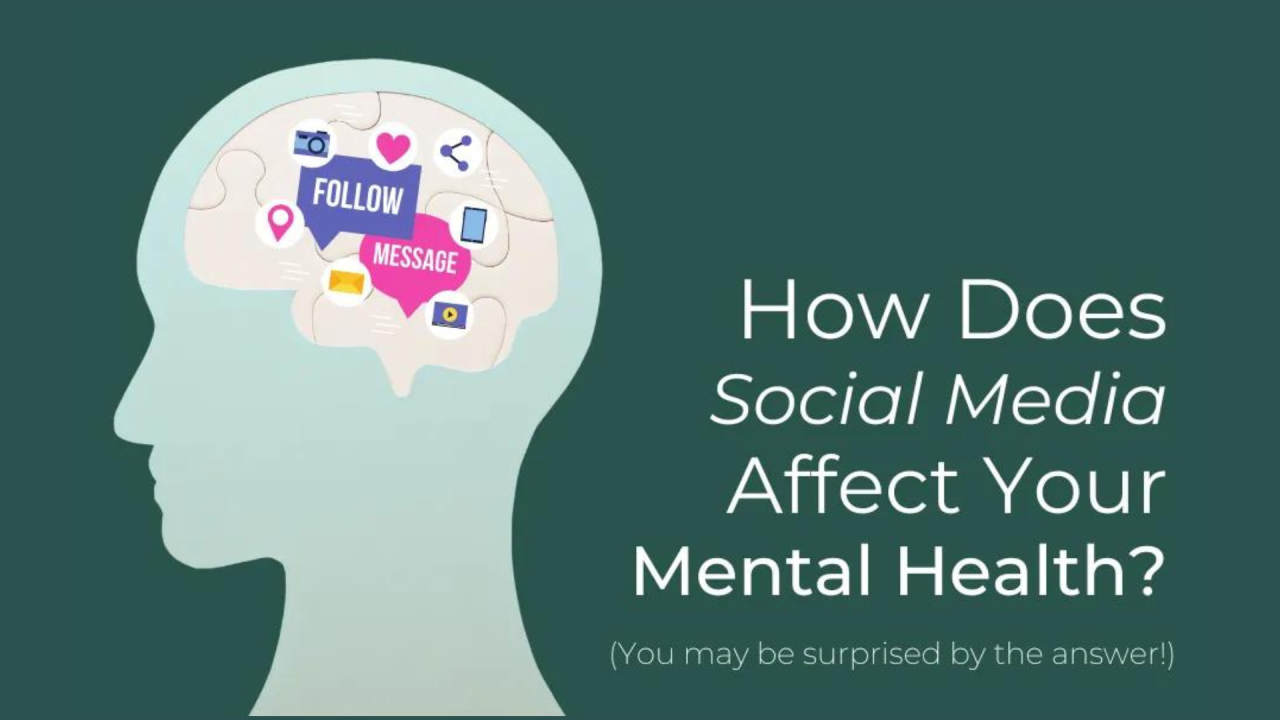
In today’s hyper-connected world, social media has become as essential to our daily lives as our morning coffee. We scroll through feeds while eating breakfast, share moments throughout the day, and often end our evenings browsing through endless content. But have you ever stopped to consider what this constant digital consumption is doing to your mental health?
The relationship between social media and our psychological wellbeing is complex, multifaceted, and increasingly concerning to mental health professionals worldwide. Understanding the social media effects on mental health isn’t just about identifying problems; it’s about empowering ourselves to navigate the digital landscape more mindfully and protect our mental wellness.
The Double-Edged Sword of Social Connectivity
Social media platforms were designed to bring people closer together, and in many ways, they’ve succeeded. These platforms allow us to maintain relationships across distances, find communities of like-minded individuals, and access support networks that might not exist in our immediate physical environment. For people dealing with rare conditions, niche interests, or feelings of isolation, social media can be genuinely life-changing.
However, the very features that make social media appealing also contribute to its potential harm. The constant stream of curated content, the pressure to present a perfect life, and the addictive nature of notifications create a perfect storm for mental health challenges. Research has consistently shown that excessive social media use correlates with increased rates of anxiety, depression, loneliness, and poor self-esteem, particularly among younger users.
How Social Media Affects Your Brain Chemistry
Understanding the social media effects on mental health requires looking at what happens in your brain when you use these platforms. Every like, comment, or share triggers a release of dopamine, the same neurotransmitter associated with pleasure and reward. This creates a feedback loop that keeps you coming back for more, similar to how slot machines work in casinos.
This dopamine-driven cycle can lead to genuine addiction. You might find yourself reaching for your phone without thinking, feeling anxious when you can’t check your notifications, or experiencing FOMO (fear of missing out) when you see others’ posts. Over time, your brain becomes accustomed to these frequent dopamine hits, requiring more social media interaction to achieve the same level of satisfaction.
The blue light emitted by screens also disrupts your natural circadian rhythm, particularly when you scroll before bed. This interference with sleep patterns compounds mental health issues, as quality sleep is fundamental to emotional regulation and psychological wellbeing.
The Comparison Trap and Its Psychological Toll
One of the most insidious social media effects on mental health is the constant comparison it encourages. When scrolling through carefully curated highlight reels of others’ lives, it’s easy to feel like everyone else has it better, looks better, or is more successful than you are. This phenomenon, often called “compare and despair,” can erode self-esteem and fuel feelings of inadequacy.
Social comparison theory explains that humans naturally evaluate themselves by comparing to others. In the past, these comparisons were limited to people in our immediate environment. Now, we’re comparing ourselves to filtered, edited, and strategically presented versions of hundreds or thousands of people daily. This unrealistic benchmark is impossible to meet and creates a perpetual sense of falling short.
Young people are particularly vulnerable to these effects. During adolescence and young adulthood, when identity formation is critical, the pressure to measure up to social media standards can be overwhelming. Studies have found strong correlations between heavy social media use and body image issues, eating disorders, and low self-worth among teenagers and young adults.
Cyberbullying and Online Harassment
The anonymity and distance that social media provides can bring out the worst in people. Cyberbullying has become a serious concern, with victims experiencing harassment, threats, and public humiliation that follows them everywhere through their devices. Unlike traditional bullying that might end when you leave school or work, cyberbullying is relentless and can occur 24/7.
The psychological impact of online harassment can be severe, leading to anxiety, depression, and in tragic cases, self-harm or suicide. The permanent nature of online content means that hurtful comments or embarrassing posts can resurface repeatedly, prolonging the trauma and making recovery more difficult.
The Illusion of Connection vs. Genuine Relationships
While social media promises connection, it often delivers a hollow substitute for genuine human interaction. Having 1,000 followers doesn’t mean you have 1,000 friends. The superficial nature of most online interactions lacks the depth, vulnerability, and emotional reciprocity that characterize real friendships.
Research has shown that people who spend more time on social media often report feeling lonelier than those who engage in more face-to-face interactions. This paradox occurs because digital communication cannot fully replace the nuanced emotional exchange that happens during in-person conversations. Body language, tone of voice, physical touch, and shared experiences all contribute to meaningful connection in ways that likes and comments simply cannot replicate.
Information Overload and Mental Exhaustion
The sheer volume of information available on social media can be mentally exhausting. Your brain wasn’t designed to process hundreds of news stories, personal updates, advertisements, and emotional appeals in a single sitting. This constant barrage leads to decision fatigue, reduced attention span, and a sense of being perpetually overwhelmed.
Additionally, social media algorithms are designed to keep you engaged by showing you content that triggers strong emotional reactions. This often means prioritizing divisive, shocking, or upsetting content because it generates more interaction. Constant exposure to negative news and polarizing content takes a toll on mental health, contributing to increased stress, anxiety, and a more pessimistic worldview.
Strategies to Protect Your Mental Health
Understanding the social media effects on mental health is the first step; implementing protective strategies is the next. Here are evidence-based approaches to maintain healthier digital habits:
Set Boundaries and Limits: Use built-in screen time tracking features to monitor your usage and set daily limits. Consider designating specific times for checking social media rather than scrolling throughout the day. Creating phone-free zones, such as during meals or before bed, can significantly improve your mental wellbeing and sleep quality.
Curate Your Feed Mindfully: Unfollow accounts that make you feel bad about yourself, trigger negative emotions, or promote unhealthy comparisons. Follow accounts that inspire, educate, or genuinely uplift you. Remember, you have control over what content you consume.
Practice Digital Detoxes: Regular breaks from social media can help reset your relationship with these platforms. Start with a day or weekend without social apps, and notice how you feel. Many people report improved mood, better sleep, and more meaningful real-world connections during these breaks.
Engage Authentically: When you do use social media, focus on genuine interaction rather than passive scrolling. Meaningful comments and direct messages to friends are more fulfilling than endless consumption of strangers’ content.
Prioritize Real-World Connections: Make time for face-to-face interactions with friends and family. Join clubs, attend community events, or simply call someone instead of texting. These real-world connections provide the deep social fulfillment that social media cannot.
When to Seek Professional Help
If you notice that social media use is significantly impacting your daily functioning, relationships, or emotional wellbeing, it may be time to consult a mental health professional. Warning signs include persistent sadness or anxiety related to social media, inability to reduce usage despite wanting to, neglecting responsibilities or relationships due to social media, and experiencing withdrawal symptoms when unable to access platforms.
Therapists can help you develop healthier relationships with technology, address underlying mental health conditions that social media use might be exacerbating, and build coping strategies for the digital age.
Moving Forward Mindfully
The social media effects on mental health are real and significant, but that doesn’t mean you need to completely abandon these platforms. The key is mindful, intentional use rather than mindless consumption. By understanding how social media impacts your brain and emotions, you can make informed choices about when, how, and why you engage with these platforms.
Remember that what you see on social media is rarely the full picture of anyone’s life. Behind every perfect photo is a real person with struggles, insecurities, and challenges just like yours. Your worth isn’t determined by follower counts, likes, or how your life compares to others’ highlight reels.
As we continue navigating this digital age, maintaining awareness of social media’s impact on our mental health becomes increasingly important. By implementing boundaries, cultivating real-world connections, and approaching social media with intention rather than compulsion, we can harness its benefits while protecting our psychological wellbeing.
Internal Linking Suggestions
- Link to a blog post about “Healthy Morning Routine: Morning Habits for a Productive Day” when discussing the importance of starting your day without immediately checking social media.
- Link to an article about “Stress Management Techniques” when discussing anxiety related to social media use.
- Link to content about “Building Healthy Relationships” when discussing the importance of face-to-face connections.
- Link to a post about “Sleep Hygiene Tips” when mentioning the impact of blue light and late-night scrolling on sleep quality.
- Link to an article about “Self-Care Practices for Mental Wellness” when discussing strategies to protect mental health.
Frequently Asked Questions
Q1: How much social media use is too much?
There’s no universal threshold, as individual tolerance varies. However, research suggests that more than two hours per day correlates with increased mental health issues, particularly among young people. If social media use interferes with sleep, work, relationships, or causes persistent negative emotions, it’s likely too much regardless of time spent.
Q2: Can social media cause depression, or does it just worsen existing conditions?
Research indicates that social media can both trigger new mental health issues and exacerbate existing ones. While it may not directly cause depression in everyone, heavy social media use is associated with increased depressive symptoms, particularly when involving passive consumption, social comparison, and cyberbullying exposure.
Q3: Are some social media platforms worse for mental health than others?
Studies have found that image-focused platforms like Instagram and Snapchat tend to have more negative impacts on body image and self-esteem compared to text-based platforms. However, how you use any platform matters more than which specific platform you’re on. Platforms that encourage comparison and highlight reels tend to be more problematic.
Q4: Is it better to quit social media completely or just reduce usage?
This depends on your individual situation and relationship with social media. For some people, complete elimination works best, while others benefit from moderated, mindful use. Start by reducing usage and setting boundaries; if you still experience negative effects, consider a longer break or permanent departure from problematic platforms.
Q5: How can I tell if my child’s social media use is affecting their mental health?
Warning signs include changes in sleep patterns, decreased interest in previously enjoyed activities, withdrawal from family and friends, declining academic performance, increased irritability or mood swings, secretive behavior about online activities, and expressions of low self-worth or negative body image. Regular, non-judgmental conversations about their online experiences are essential.
Word Count: 1,847 words