
How you start your morning sets the tone for your entire day. A healthy morning routine isn’t just about waking up early or checking items off a to-do list; it’s about intentionally creating habits that energize your body, focus your mind, and prepare you to handle whatever the day brings with clarity and confidence.
The difference between people who seem to effortlessly accomplish their goals and those who constantly struggle often comes down to their morning habits. Successful individuals across every field share a common trait: they’ve developed morning routines that prioritize their physical health, mental clarity, and emotional wellbeing before diving into the demands of daily life.
Creating a healthy morning routine doesn’t require waking up at dawn or spending hours on elaborate rituals. Even modest changes to how you begin your day can produce remarkable improvements in your productivity, mood, energy levels, and overall quality of life. This comprehensive guide will help you understand the science behind effective morning routines and provide practical strategies to build morning habits that transform your days.
Why Your Morning Routine Matters More Than You Think
The first few hours after waking represent a unique window of opportunity when your brain is most receptive to setting positive patterns for the day. During this time, your cortisol levels naturally peak, providing you with alertness and energy. How you harness this natural biological rhythm significantly impacts your performance throughout the day.
Research in behavioral psychology shows that willpower and decision-making capacity are highest in the morning and gradually deplete as the day progresses. This phenomenon, called decision fatigue, explains why it becomes harder to make healthy choices or stay focused as the day wears on. By front-loading important activities and healthy habits into your morning routine, you capitalize on your peak mental resources.
Morning routines also provide psychological benefits beyond productivity. Having a consistent morning structure creates a sense of control and stability that reduces anxiety and stress. In a world full of unpredictability, your morning routine becomes a reliable anchor that grounds you regardless of what challenges lie ahead.
Additionally, establishing morning habits for a productive day creates momentum that carries through subsequent activities. Completing positive morning rituals triggers a sense of accomplishment that motivates you to maintain that productive energy. Conversely, chaotic, rushed mornings create stress and reactivity that persists throughout the day.
The Science of Circadian Rhythms and Morning Energy
Understanding your body’s natural circadian rhythm helps you design a morning routine that works with your biology rather than against it. Your circadian rhythm is your internal 24-hour clock that regulates sleep-wake cycles, hormone production, body temperature, and numerous other physiological processes.
Most people’s cortisol levels peak around 8 to 9 AM, providing natural alertness and energy. This cortisol awakening response is your body’s way of preparing you for the day ahead. Aligning your morning activities with this natural energy surge makes them feel easier and more sustainable.
Exposure to bright light, particularly natural sunlight, during the first hour of waking helps regulate your circadian rhythm and improves nighttime sleep quality. Light exposure suppresses melatonin production and signals to your brain that it’s time to be alert and active. This is why getting outside or at least near a window early in the morning is one of the most powerful elements of a healthy morning routine.
Body temperature also follows a circadian pattern, typically reaching its lowest point in the early morning hours and gradually rising. Physical activity in the morning helps raise your body temperature more quickly, contributing to increased alertness and energy throughout the day.
Building Your Foundation: Essential Morning Habits
Certain morning habits provide foundational benefits that support everything else you do throughout the day. These core practices should form the backbone of your healthy morning routine.
Wake Up at a Consistent Time: Your wake-up time matters more than how many hours you sleep for regulating your circadian rhythm. Waking at the same time every day, including weekends, strengthens your natural sleep-wake cycle, making it easier to fall asleep at night and wake up feeling refreshed. Even if you went to bed late, resist sleeping in significantly, as this disrupts your rhythm and makes subsequent mornings harder.
Hydrate Immediately: After seven to eight hours without fluid, your body is mildly dehydrated. Drinking 16 to 20 ounces of water within the first 30 minutes of waking rehydrates your cells, kickstarts your metabolism, aids digestion, and helps flush toxins that accumulated overnight. Keep a water bottle on your nightstand so hydrating becomes automatic before you even get out of bed.
Avoid Your Phone for the First Hour: This single habit might be the most transformative yet challenging adjustment. When you immediately check your phone, you flood your brain with other people’s priorities, problems, and demands before you’ve established your own mental state for the day. The dopamine hits from notifications, messages, and social media also create a reactive rather than intentional mindset. Give yourself at least 30 to 60 minutes of phone-free morning time to center yourself and set your own agenda.
Get Natural Light Exposure: Spend 10 to 15 minutes outside or near a bright window within the first hour of waking. This light exposure is crucial for setting your circadian rhythm, boosting mood through serotonin production, and increasing alertness. Even on cloudy days, outdoor light is significantly brighter than indoor lighting and provides substantial benefits. Combining morning light exposure with a short walk offers double benefits.
Move Your Body: Physical movement in the morning doesn’t need to be intense exercise, though that’s certainly beneficial if you enjoy it. Even gentle stretching, a few yoga poses, or a brief walk activates your muscles, increases blood flow, and releases endorphins that improve mood and energy. Movement also helps shake off any residual grogginess and signals to your body that it’s time to be active and alert.
Nutrition: Fueling Your Morning for Success
What you eat or don’t eat in the morning significantly influences your energy, focus, and performance throughout the day. Your breakfast choices should align with your goals and lifestyle while providing sustained energy.
The Protein Priority: Including adequate protein in your morning meal provides lasting satiety, stabilizes blood sugar, and supports muscle maintenance and growth. Aim for 20 to 30 grams of protein from sources like eggs, Greek yogurt, protein smoothies, cottage cheese, or lean meats. Protein also contains amino acids necessary for producing neurotransmitters that support focus and mood.
Consider Your Timing: Not everyone needs to eat immediately upon waking. Some people perform better with breakfast within an hour of rising, while others thrive practicing intermittent fasting and delaying their first meal. Experiment to find what works for your body. If you exercise in the morning, you might prefer a light snack beforehand and a more substantial meal afterward.
Balance Macronutrients: The best morning meals combine protein, healthy fats, and complex carbohydrates. This combination provides immediate energy from carbs while the protein and fat slow digestion, providing sustained energy and preventing the mid-morning energy crash that comes from carb-heavy breakfasts alone. Examples include oatmeal with nuts and berries, avocado toast with eggs, or a smoothie with protein powder, fruits, and nut butter.
Limit Sugar and Refined Carbs: Starting your day with sugary cereals, pastries, or sweetened coffee drinks triggers blood sugar spikes followed by crashes that leave you tired, hungry, and unfocused. These foods also activate reward pathways in your brain, making it harder to resist unhealthy food choices throughout the rest of the day.
Don’t Skip Caffeine Strategy: If you drink coffee or tea, timing matters. Consuming caffeine within the first hour of waking can interfere with your natural cortisol rhythm and may contribute to developing caffeine dependence. Consider waiting 60 to 90 minutes after waking before having your first caffeinated beverage. This allows your natural cortisol surge to wake you up fully, making caffeine more effective when you do consume it.
Mental Preparation: Setting Your Mindset
A healthy morning routine addresses mental and emotional wellbeing alongside physical health. These practices help you approach your day with clarity, intention, and resilience.
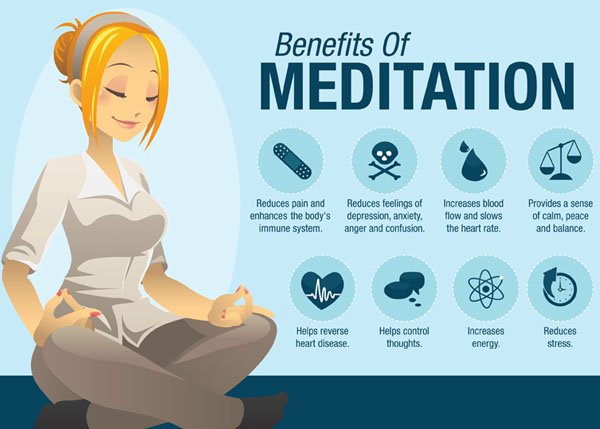
Practice Mindfulness or Meditation: Even five to ten minutes of morning meditation or mindfulness practice significantly impacts stress levels, focus, and emotional regulation throughout the day. Meditation doesn’t require special skills or beliefs; simply sitting quietly and focusing on your breath while noticing thoughts without judgment provides substantial benefits. Apps like Headspace, Calm, or Insight Timer offer guided sessions perfect for beginners.
Journal Your Thoughts: Morning journaling helps process emotions, clarify thoughts, and set intentions for the day. This doesn’t require elaborate writing; even bullet-point lists work effectively. Try gratitude journaling by writing three things you’re grateful for, free writing whatever’s on your mind for a few minutes, or intention-setting by noting your top priorities and desired emotional state for the day.
Visualize Your Day: Spend a few minutes mentally rehearsing your day going well. Visualization activates similar brain regions as actually performing activities and helps you approach challenges with confidence. Picture yourself handling meetings effectively, completing important tasks, responding calmly to difficulties, and ending the day with satisfaction. This mental rehearsal primes your brain for success.
Review Your Goals: Regularly connecting with your longer-term goals keeps them front of mind and helps you make daily decisions that align with what truly matters. Spend a few minutes reviewing your weekly or monthly goals and identifying how today’s activities contribute to them. This creates purpose and motivation beyond just checking off tasks.
Practice Positive Affirmations: While they might feel uncomfortable initially, positive affirmations can genuinely shift your mindset and self-belief. Choose statements that reflect how you want to feel and behave, such as “I am capable of handling whatever comes my way today” or “I approach challenges as opportunities to learn and grow.” Repeat these affirmations while getting ready or during your morning routine.
Creating Your Personalized Morning Routine
There’s no universal perfect morning routine because everyone has different lifestyles, preferences, responsibilities, and goals. The key is creating a routine that works specifically for you and that you can maintain consistently.
Start Small and Build Gradually: Don’t try to implement a complete two-hour morning routine overnight. Start with one or two habits and practice them consistently for at least two weeks before adding more. This gradual approach makes changes sustainable and prevents the overwhelm that leads to abandoning new routines entirely.
Consider Your Chronotype: Your genetic chronotype influences whether you’re naturally a morning person or night owl. While you can’t completely change your chronotype, you can work with it. If you’re not naturally a morning person, your healthy morning routine might start a bit later and include gentle wake-up strategies rather than intense activities immediately upon rising.
Account for Your Responsibilities: Parents of young children, shift workers, and people with other non-negotiable morning demands need to design routines around these realities. Your morning routine might be simpler or shorter than someone with completely flexible mornings, and that’s perfectly fine. Even 15 minutes of intentional morning habits makes a difference.
Prepare the Night Before: The success of your morning routine largely depends on the night before. Prepare your workout clothes, pack your lunch, set out breakfast ingredients, charge devices, and complete other preparations so your morning flows smoothly without decisions or obstacles. Your evening routine should support your morning routine.
Sample Morning Routines for Different Lifestyles
Here are example schedules demonstrating how healthy morning routines can adapt to various situations:
The Early Bird Professional (90-Minute Routine)
- 5:30 AM: Wake up, drink water, no phone
- 5:35 AM: Light stretching or yoga (10 minutes)
- 5:45 AM: Shower and get ready
- 6:00 AM: Meditation or journaling (10 minutes)
- 6:10 AM: Prepare and eat protein-rich breakfast
- 6:30 AM: Review daily goals and priorities
- 6:45 AM: Commute or begin work preparation
- 7:00 AM: Ready to start working
The Parent Juggle (45-Minute Routine)
- 6:00 AM: Wake up before kids, drink water
- 6:05 AM: Quick workout or walk (20 minutes)
- 6:25 AM: Shower and get ready
- 6:40 AM: Five minutes of quiet journaling or goal review
- 6:45 AM: Wake kids and begin morning with them
The Night Owl Minimalist (30-Minute Routine)
- 8:00 AM: Wake up, drink water
- 8:05 AM: Five minutes of stretching
- 8:10 AM: Shower and get ready
- 8:20 AM: Quick breakfast while reviewing top three priorities
- 8:30 AM: Commute or start work
The Wellness Enthusiast (2-Hour Routine)
- 5:00 AM: Wake up, water, light exposure walk (15 minutes)
- 5:15 AM: Meditation (15 minutes)
- 5:30 AM: Workout session (45 minutes)
- 6:15 AM: Shower and get ready
- 6:45 AM: Nutritious breakfast preparation and eating
- 7:15 AM: Journaling and goal review
- 7:30 AM: Reading or learning time
- 7:45 AM: Begin work tasks
Overcoming Common Morning Routine Obstacles
Building a healthy morning routine isn’t always smooth sailing. Here’s how to address common challenges that derail morning habits.
“I’m Not a Morning Person”: You don’t need to become a 5 AM riser to benefit from a morning routine. Start by waking just 15 minutes earlier than usual and use that time for one simple positive habit. Your morning routine can begin at 7 AM, 8 AM, or even later while still providing benefits. Focus on consistency at whatever time works for you rather than forcing an unnatural schedule.
“I Don’t Have Time”: You do have time; it’s a matter of priorities. Most people spend 30 minutes or more on their phones in bed or scrolling social media in the morning. Redirect that time toward healthier habits. Additionally, a structured morning routine often saves time by reducing decision fatigue and preventing the chaotic rushing that wastes minutes throughout the morning.
“I’m Too Tired”: If you consistently wake up exhausted, address your sleep quality and quantity first. Going to bed earlier, improving your sleep environment, reducing evening screen time, and avoiding alcohol before bed all contribute to waking more refreshed. Once your sleep improves, morning routines become much easier. Additionally, forcing yourself through your routine despite tiredness often leads to feeling more energized after moving and hydrating.
“I Keep Hitting Snooze”: Place your alarm across the room so you must physically get out of bed to turn it off. Once you’re up, immediately turn on lights, drink water, or splash your face with cold water to increase alertness. The first five minutes are the hardest; push through them and you’ll find it gets easier.
“My Schedule Varies Too Much”: Create a flexible routine framework rather than a rigid schedule. Identify your non-negotiable core habits like hydration, movement, and avoiding phone time, then adapt the specific timing and duration to fit each day’s demands. Having a consistent sequence of activities matters more than doing them at the exact same times daily.
Technology and Your Morning Routine
Technology can either support or sabotage your morning routine depending on how you use it. Here’s how to leverage technology beneficially while avoiding its pitfalls.
Use Helpful Apps Mindfully: Apps for meditation, workout guidance, habit tracking, and journaling can enhance your morning routine. However, avoid opening email, social media, or news apps during your morning routine time. Consider using app blockers or “Do Not Disturb” mode to prevent distracting notifications during your morning rituals.
Smart Lighting for Wake-Up: Sunrise alarm clocks that gradually brighten simulate natural dawn and help you wake more gently than jarring alarm sounds. This can be especially helpful during winter months when it’s still dark at wake-up time.
Track Your Habits: Habit tracking apps provide accountability and satisfaction as you build consistency. Seeing an unbroken streak of completing your morning routine motivates you to maintain it. Simple apps like Streaks, Habitica, or even a basic checklist work well.
Automate What You Can: Use programmable coffee makers, smart thermostats that warm your home before you wake, or automated routines that turn on lights at your wake-up time. Reducing morning friction through automation makes following your routine easier.
Measuring Success and Adjusting Your Routine
A healthy morning routine should make your life better, not become another source of stress or something you force yourself through mechanically. Regular evaluation ensures your routine continues serving you effectively.
Notice How You Feel: Pay attention to your energy levels, mood, productivity, and stress throughout the day. Do you feel more energized and focused? Are you handling challenges more calmly? Is your sleep quality improving? These indicators matter more than perfectly checking off every routine item.
Be Flexible When Needed: Life happens. Some mornings you’ll need to abbreviate your routine due to early meetings, sick kids, or poor sleep. That’s completely normal. Missing your routine occasionally doesn’t undo your progress. What matters is returning to it consistently rather than abandoning it entirely when disruptions occur.
Adjust Seasonally: Your ideal morning routine may vary with seasons. Winter mornings might include more indoor activities and focus on light therapy, while summer could incorporate outdoor exercise and earlier wake times to enjoy morning coolness. Allow your routine to evolve with changing conditions.
Experiment and Iterate: What works initially may not remain optimal indefinitely. Every few months, reassess your routine. Are certain habits no longer serving you? Is there something new you’d like to try? Continuous refinement keeps your morning routine fresh and aligned with your evolving goals and lifestyle.
The Long-Term Impact of Consistent Morning Habits
The true power of a healthy morning routine reveals itself not in days or weeks but over months and years of consistency. Small daily improvements compound into transformative changes in your health, productivity, relationships, and overall life satisfaction.
People who maintain consistent morning routines report better stress management, improved physical health, stronger relationships due to increased patience and presence, greater career success from enhanced focus and productivity, and a deeper sense of purpose and control over their lives.
Your morning routine becomes a form of self-respect and self-care. It’s a daily declaration that you’re worth investing in, that your wellbeing matters, and that you’re committed to showing up as your best self. This mindset extends beyond the morning hours, influencing how you treat yourself and make decisions throughout each day.
Conclusion: Start Tomorrow Morning
Creating a healthy morning routine is one of the most impactful changes you can make for your overall wellbeing and success. It requires no special skills, expensive equipment, or dramatic life changes, just commitment to starting your day with intention.
You don’t need to wait for Monday, the first of the month, or some perfect future moment. Tomorrow morning is your opportunity to begin. Start small, be consistent, and trust the process. Even modest improvements to how you begin your day will ripple outward, touching every aspect of your life in surprisingly positive ways.
Your mornings are yours to design. Use them wisely, and watch how they transform not just your days but your entire life trajectory. The person you want to become starts with the person you are when you wake up. Make those morning moments count.
Frequently Asked Questions
Q1: What time should I wake up for an optimal morning routine?
The optimal wake-up time is consistent with your schedule and allows adequate sleep rather than a specific early hour. Most adults need 7-9 hours of sleep, so work backward from when you must be ready. If you need to leave by 8 AM, waking at 6 AM provides a two-hour morning routine. Consistency matters more than early timing; waking at 7 AM every day beats alternating between 5 AM and 9 AM. Focus on your body’s needs and maintaining a regular schedule rather than forcing an unnatural early wake time.
Q2: How long does it take to establish a morning routine habit?
Research suggests habit formation takes anywhere from 18 to 254 days, with an average of 66 days for behaviors to become automatic. However, you’ll likely notice benefits within the first week even before habits are fully ingrained. Start with realistic expectations, be patient with yourself during the adjustment period, and focus on consistency rather than perfection. After about three weeks, your routine will feel noticeably easier, and by two to three months, it becomes relatively automatic.
Q3: Should I exercise before or after breakfast?
This depends on personal preference and how your body responds. Exercising before breakfast, called fasted cardio, may enhance fat burning but can leave some people feeling weak or dizzy. Eating a light snack 30-60 minutes before exercising provides energy for better performance. If you eat first, choose easily digestible foods like a banana, toast, or yogurt. For intense workouts, a pre-workout snack often performs better. For gentle movement like stretching or walking, exercising before eating typically works fine.
Q4: What if I’m not a morning person?
You don’t need to become an early riser to benefit from a morning routine. Create a routine that starts at whatever time you naturally wake, even if that’s 8 AM or later. Focus on how you spend your morning hours rather than when they occur. However, maintaining a consistent wake time even on weekends helps regulate your circadian rhythm and can gradually make mornings feel easier, even for natural night owls.
Q5: Can I include checking my phone in my morning routine?
While it’s better to avoid phones during the first 30-60 minutes, you can strategically include phone use later in your routine after completing your foundational habits. For example, you might hydrate, exercise, shower, eat breakfast, and then allow yourself 10 minutes of phone time before starting work. This ensures you’ve established your own mental state and priorities before engaging with external demands. The key is intentional, limited phone use rather than mindless scrolling or immediate reactivity to messages and notifications.
Word Count: 4,287 words