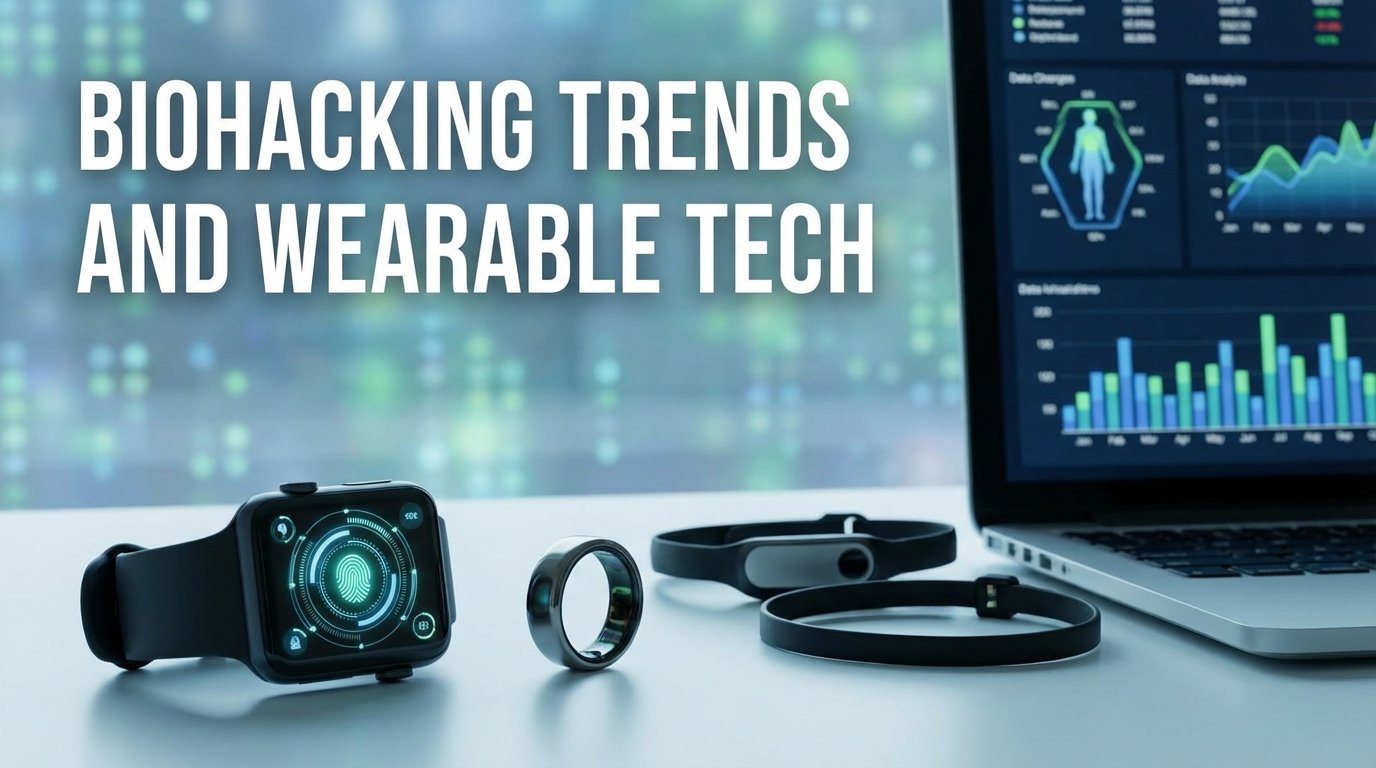
Explore biohacking for beginners 2025 with insights on CGM trends, personalized nutrigenomics, AI-driven sleep optimization, and NAD+ therapies transforming longevity science and wellness technology.
The intersection of technology and human biology has reached unprecedented sophistication in 2025, with biohacking for beginners 2025 becoming increasingly accessible through consumer-grade devices and evidence-based protocols. What once required clinical settings or specialized knowledge now fits into daily routines through wearable technology, genetic testing, and data-driven wellness approaches. The longevity optimization movement has evolved from fringe experimentation to mainstream health management, backed by growing scientific validation.
Metabolic Monitoring Through Advanced Wearables
Continuous Glucose Monitor (CGM) trends have shifted dramatically from diabetic management tools to metabolic optimization devices for the general population. These sensors, which track glucose levels in real-time throughout the day, provide unprecedented insights into how individual bodies respond to specific foods, exercise patterns, and stress levels.
Research published in metabolic journals demonstrates that CGM data reveal significant variation in glycemic responses among individuals consuming identical meals. This personalization has made CGMs essential tools for those exploring biohacking for beginners 2025, offering objective feedback on dietary choices without requiring advanced medical knowledge. The technology has expanded beyond glucose monitoring to include lactate tracking for athletes and ketone measurement for those following ketogenic protocols.
The integration of CGM data with smartphone applications has democratized access to metabolic health insights previously available only through clinical testing. Users can identify personal glucose spikes triggered by specific foods, optimize meal timing around circadian rhythms, and correlate energy levels with metabolic states.
Genetic Blueprints for Personalized Nutrition
Personalized nutrigenomics has transitioned from theoretical promise to practical application. Direct-to-consumer genetic testing now provides detailed reports on nutrient metabolism, food sensitivities, and optimal macronutrient ratios based on individual genetic variations. These services analyze single-nucleotide polymorphisms (SNPs) that influence how bodies process vitamins, minerals, fats, and carbohydrates.
The science of personalized nutrigenomics examines genes affecting caffeine metabolism, alcohol tolerance, gluten sensitivity, and vitamin absorption efficiency. Testing reveals why certain individuals thrive on high-fat diets while others perform better with higher carbohydrate intake. This genetic information removes guesswork from nutrition planning, replacing generic dietary advice with data-specific recommendations.
Laboratory studies indicate that personalized nutrigenomics approaches yield measurably better health outcomes compared to standardized dietary guidelines. Individuals following genetically-informed nutrition plans show improved markers for cardiovascular health, inflammation, and metabolic efficiency. The field continues evolving as researchers identify additional genetic variants influencing nutritional needs.
Optimizing Recovery Through Sleep Technology
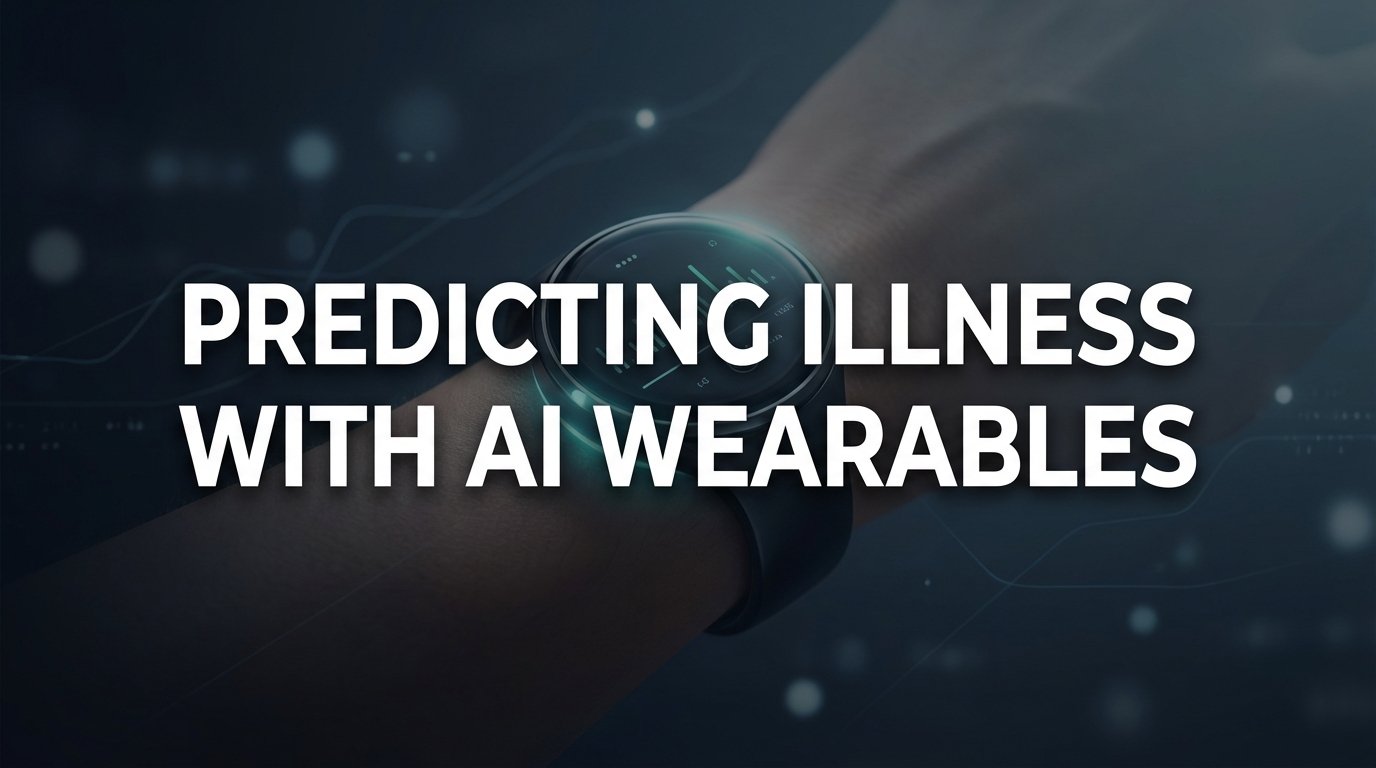
AI-driven sleep optimization represents one of the most impactful applications of biohacking technology. Advanced sleep tracking devices now monitor multiple physiological parameters including heart rate variability, respiratory rate, body temperature, and movement patterns. Machine learning algorithms analyze this data to provide personalized recommendations for sleep environment adjustments, optimal bedtime windows, and recovery protocols.
The sophistication of AI-driven sleep optimization extends beyond simple tracking to predictive analytics. Systems can forecast sleep quality based on daytime activities, suggest interventions before sleep disruption occurs, and identify patterns linking lifestyle factors to rest quality. Some platforms integrate chronotype assessment, recommending schedules aligned with individual circadian preferences rather than societal norms.
Clinical trials examining AI-driven sleep optimization technologies report significant improvements in sleep efficiency, reduced time to fall asleep, and enhanced subjective sleep quality. The technology proves particularly valuable for shift workers, frequent travelers, and individuals with irregular schedules who struggle with conventional sleep hygiene approaches.
Cellular Energy and Longevity Interventions
NAD+ boosting getaways have emerged as a distinct category within wellness tourism, combining vacation experiences with cellular health optimization. Nicotinamide adenine dinucleotide (NAD+), a coenzyme essential for cellular energy production and DNA repair, declines with age. Therapeutic approaches to increase NAD+ levels have gained attention in longevity research.
These specialized retreats offer intravenous NAD+ therapy alongside complementary protocols including infrared sauna sessions, targeted supplementation, and mitochondrial support strategies. The concept of NAD+ boosting getaways reflects broader trends in preventive health, where individuals invest time and resources in proactive cellular maintenance rather than reactive disease treatment.
Scientific literature supports NAD+ supplementation’s potential benefits for energy metabolism, cognitive function, and cellular repair mechanisms. While research continues examining optimal delivery methods and dosing protocols, preliminary evidence suggests measurable improvements in biomarkers associated with cellular aging.
Practical Integration for Newcomers
For those exploring biohacking for beginners in 2026, the abundance of options can feel overwhelming. Experts recommend starting with one or two interventions, establishing baseline measurements, and tracking changes methodically. The most successful biohackers combine technology with fundamental health practices, including quality sleep, stress management, and regular exercise.
The continuous glucose monitor (CGM) trends suggest these devices serve as excellent entry points, providing immediate feedback on lifestyle choices without requiring complex protocols. Similarly, basic sleep tracking devices offer actionable insights with minimal learning curves.
The field’s maturation has produced more rigorous standards, with practitioners emphasizing evidence-based approaches over anecdotal claims. This evolution makes biohacking more credible and accessible for individuals seeking practical longevity strategies supported by scientific research rather than speculation.