Water is the foundation of human life. It makes up approximately 60% of your body weight and is involved in virtually every biological function, from regulating body temperature to transporting nutrients and removing waste. Despite its critical importance, many people remain chronically dehydrated without even realizing it. Understanding how much water to drink daily is essential for maintaining optimal health, energy, and bodily function.
The simple question of how much water you should drink each day doesn’t have a one-size-fits-all answer. Your individual hydration needs depend on numerous factors including your body size, activity level, climate, health status, and diet. This comprehensive guide will help you understand the science behind hydration, determine your personal water needs, and develop sustainable habits to stay properly hydrated throughout your life.
The Classic “8 Glasses a Day” Rule: Fact or Fiction?
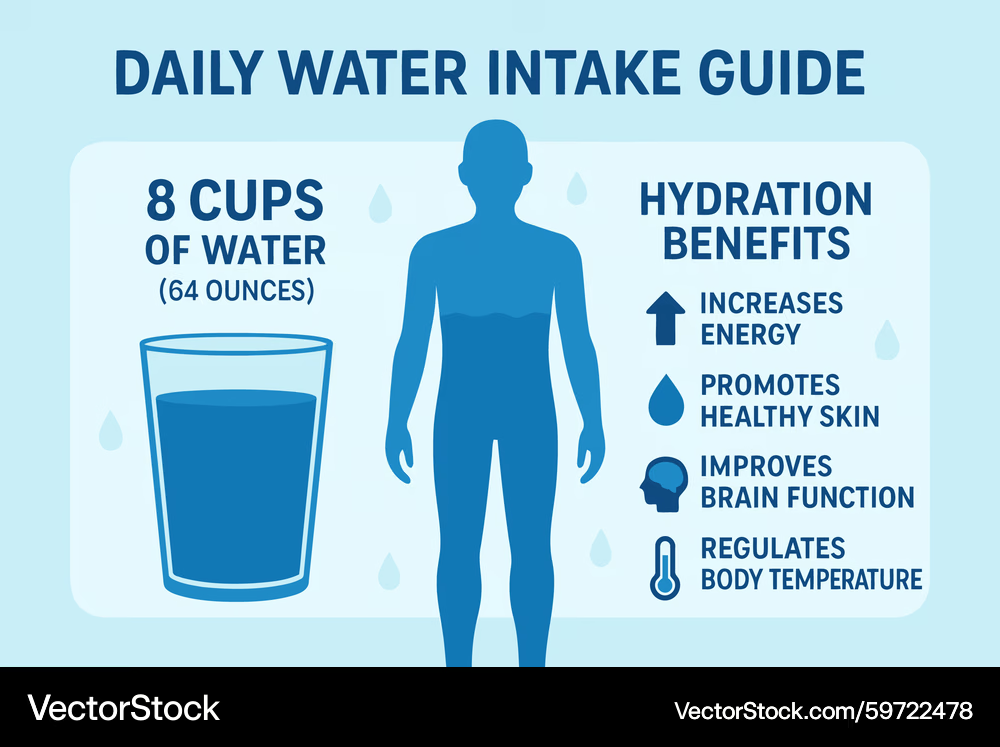
You’ve probably heard the recommendation to drink eight 8-ounce glasses of water per day, totaling 64 ounces or about 2 liters. This guideline has been repeated so often that most people accept it as scientific fact. However, the origin of this recommendation is murky, and it may not be appropriate for everyone.
The “8×8” rule is a reasonable starting point for many people, but it’s not based on rigorous scientific research. The actual recommended daily water intake varies by authoritative health organizations. The National Academies of Sciences, Engineering, and Medicine suggests that adequate daily fluid intake is about 15.5 cups (3.7 liters) for men and about 11.5 cups (2.7 liters) for women. These recommendations include fluids from all beverages and foods.
Approximately 20% of daily fluid intake typically comes from food, especially fruits and vegetables with high water content like watermelon, cucumbers, tomatoes, and lettuce. This means that from beverages alone, men should aim for about 13 cups (3 liters) and women about 9 cups (2.2 liters). These amounts are significantly higher than the traditional eight glasses recommendation.
However, these are general guidelines for sedentary individuals in temperate climates. Your personal needs may be substantially different based on various factors we’ll explore throughout this article.
Understanding Your Body’s Water Balance
Before diving into specific recommendations about how much water to drink, it’s helpful to understand why your body needs water and what happens when you don’t get enough. Water performs numerous critical functions in your body that directly impact how you feel and function every day.
Water regulates your body temperature through sweating and respiration. When you get hot, your body releases water through your skin as sweat, which evaporates and cools you down. This process is essential for preventing overheating during exercise or in warm environments.
Your blood is approximately 90% water, and adequate hydration is necessary for proper blood volume and circulation. When you’re dehydrated, your blood becomes thicker, making your heart work harder to pump it throughout your body. This can lead to fatigue, dizziness, and reduced physical and mental performance.
Water serves as the primary component of saliva and digestive juices, helping break down food and absorb nutrients. It also keeps the mucosal linings of your mouth, nose, and throat moist, which is your first line of defense against bacteria and viruses. Dehydration can compromise these protective barriers and make you more susceptible to infections.
Your kidneys require adequate water to filter waste products from your blood and excrete them through urine. Insufficient water intake forces your kidneys to work harder and can lead to kidney stones, urinary tract infections, and in severe cases, kidney damage.
Every cell in your body requires water to function properly. Water transports nutrients into cells and removes waste products. It also maintains cell structure and enables cellular communication. Even mild dehydration can impair cellular function and lead to fatigue, difficulty concentrating, and mood changes.
Factors That Influence How Much Water You Need
Determining how much water to drink daily requires considering multiple individual factors that significantly impact your hydration needs.
Body Size and Composition: Larger individuals require more water than smaller people because they have more body mass that needs hydration. A 200-pound person needs substantially more water than a 120-pound person. Additionally, people with more muscle mass require more water than those with higher body fat percentages because muscle tissue contains more water than fat tissue.
Physical Activity Level: Exercise increases water loss through sweat and respiration. The amount of additional water you need depends on the intensity and duration of exercise, as well as how much you sweat. Moderate exercise lasting 30 minutes might require an extra 12 to 16 ounces of water, while intense workouts lasting over an hour could require several liters of additional fluid. Athletes training multiple hours daily may need to drink 6 to 10 liters or more, depending on sweat rates.
Climate and Environment: Hot and humid weather increases water loss through sweat, significantly raising your hydration needs. Similarly, high altitude environments increase respiration rates and water loss through breathing. Even heated indoor environments during winter can be dehydrating because heated air has low humidity. If you live in or travel to different climates, you’ll need to adjust your water intake accordingly.
Health Status: Certain medical conditions affect hydration needs. Fever, vomiting, and diarrhea cause rapid fluid loss and require increased water intake to prevent dangerous dehydration. Urinary tract infections and bladder infections require increased fluid intake to help flush bacteria from your system. Pregnancy and breastfeeding substantially increase water needs, with pregnant women needing about 10 cups and breastfeeding women needing about 13 cups of fluids daily.
Diet Composition: Your diet influences how much water you need to drink. If you consume foods with high water content like fruits, vegetables, soups, and smoothies, you’ll get more hydration from food and may need less from beverages. Conversely, diets high in sodium, protein, or processed foods increase water needs. Caffeine and alcohol have mild diuretic effects, increasing urine production and potentially contributing to dehydration if consumed in large amounts.
Age: Older adults often have diminished thirst sensations and may not feel thirsty even when dehydrated. Additionally, kidney function typically declines with age, affecting the body’s ability to conserve water. Children have higher water turnover rates relative to their body size and may not recognize or communicate thirst as effectively as adults, making them more vulnerable to dehydration.
Signs You’re Not Drinking Enough Water
Understanding the symptoms of dehydration helps you recognize when you need to increase your water intake. Dehydration exists on a spectrum from mild to severe, with symptoms progressively worsening as fluid loss increases.
Thirst: By the time you feel thirsty, you’re already mildly dehydrated. Thirst is your body’s late-stage warning system that fluid levels have dropped below optimal. Don’t wait until you’re thirsty to drink water throughout the day.
Dark Urine: One of the most reliable indicators of hydration status is urine color. Well-hydrated individuals produce pale yellow or clear urine. Dark yellow or amber-colored urine indicates dehydration. Note that certain vitamins, medications, and foods can affect urine color, but generally, darker urine suggests you need more fluids.
Infrequent Urination: If you’re not urinating at least four to six times daily, you’re likely not drinking enough water. Infrequent urination indicates your kidneys are conserving water because intake is insufficient.
Dry Skin and Lips: Your skin is your body’s largest organ and requires adequate hydration to maintain elasticity and health. Chronic dehydration manifests as dry, flaky skin and chapped lips. While moisturizers help externally, internal hydration is essential for healthy skin.
Fatigue and Reduced Energy: Even mild dehydration of just 1-2% body water loss can cause fatigue, reduced motivation, and decreased energy levels. When you’re dehydrated, your blood volume decreases, forcing your heart to work harder to deliver oxygen and nutrients to your muscles and organs.
Headaches: Dehydration is a common trigger for headaches and migraines. When your body lacks sufficient water, your brain can temporarily contract from fluid loss, causing pain. Dehydration headaches often worsen with physical activity and improve with hydration.
Difficulty Concentrating: Your brain is approximately 75% water, and even slight dehydration affects cognitive function. Studies show that dehydration impairs concentration, alertness, short-term memory, and mood. If you’re struggling to focus at work or school, inadequate hydration might be the culprit.
Dizziness and Lightheadedness: Dehydration reduces blood volume and blood pressure, which can cause dizziness, particularly when standing up quickly. This orthostatic hypotension results from insufficient fluid to maintain proper blood pressure regulation.
Signs You Might Be Drinking Too Much Water
While rare, it is possible to drink too much water, leading to a dangerous condition called hyponatremia or water intoxication. This occurs when you drink large amounts of water in a short time, diluting the sodium concentration in your blood to dangerously low levels.
Symptoms of overhydration include nausea, headache, confusion, disorientation, muscle weakness, and in severe cases, seizures or coma. This condition most commonly affects endurance athletes who drink excessive amounts of water without replacing electrolytes lost through sweat, but can occur in anyone who dramatically over-consumes water.
For most people following their body’s thirst signals and drinking reasonable amounts throughout the day, overhydration is not a concern. However, if you’re drinking multiple gallons of water daily or forcing yourself to drink when not thirsty, you may be overdoing it.
Practical Guidelines for Daily Water Intake
Given the various factors affecting hydration needs, how can you determine how much water to drink daily? Here are several evidence-based approaches to guide your water intake.
The Body Weight Formula: A commonly recommended guideline is to drink half your body weight in ounces of water daily. For example, if you weigh 160 pounds, aim for 80 ounces (10 cups) of water. This formula provides a personalized baseline that accounts for body size differences. Add extra water for exercise, hot weather, or other factors that increase fluid needs.
The Urine Color Method: Monitor your urine color throughout the day. Aim for pale yellow or straw-colored urine. If it’s darker, increase your water intake. This method provides real-time feedback about your hydration status and is one of the most practical approaches for most people.
The Thirst and Frequency Method: Drink water whenever you feel thirsty and ensure you’re urinating at least every few hours during waking hours. While thirst isn’t the earliest indicator of dehydration, it’s a reasonable guide when combined with adequate urination frequency. Most people should urinate about six to eight times daily.
The Structured Timing Approach: Some people benefit from structure. Try drinking a glass of water upon waking, before each meal, between meals, and before bed. This creates a routine that ensures regular water intake throughout the day without requiring constant monitoring.
Strategies to Increase Your Daily Water Intake
If you struggle to drink enough water, these practical strategies can help you meet your hydration goals.
Make Water More Appealing: If plain water bores you, enhance it naturally with lemon, lime, cucumber, mint, or berries. These additions provide flavor without the sugar and artificial ingredients found in many beverages. Herbal teas, either hot or iced, also count toward your fluid intake.
Use a Marked Water Bottle: Visual tracking helps many people meet hydration goals. Purchase a large water bottle marked with times or amounts, showing how much you should drink by various points throughout the day. This creates accountability and makes tracking effortless.
Set Reminders: In our busy lives, we often forget to drink water. Set hourly reminders on your phone or use a hydration tracking app that sends notifications. After a few weeks, drinking water regularly becomes automatic.
Eat Water-Rich Foods: Incorporate more fruits and vegetables with high water content into your diet. Watermelon, strawberries, cantaloupe, cucumbers, lettuce, celery, tomatoes, and zucchini are all excellent choices that contribute to your daily fluid intake while providing important nutrients.
Create a Morning Routine: Start every day by drinking a full glass of water before coffee or breakfast. This jumpstarts your hydration after several hours without fluid during sleep and creates a positive habit that sets the tone for the day.
Link Water to Existing Habits: Attach water drinking to activities you already do regularly. Drink water every time you check your email, after using the bathroom, during commercial breaks, or when you feed your pet. These habit stacks make hydration automatic.
Keep Water Accessible: Place water bottles or glasses in locations you frequent throughout the day: your desk, car, nightstand, and favorite sitting areas. When water is visible and accessible, you’re much more likely to drink it.
Hydration for Exercise and Physical Activity
Physical activity significantly increases water needs, but the exact amount depends on multiple factors including exercise intensity, duration, individual sweat rate, and environmental conditions. Proper hydration before, during, and after exercise is crucial for performance, safety, and recovery.
Pre-Exercise Hydration: Drink 16 to 20 ounces of water two to three hours before exercising, then another 8 to 10 ounces 10 to 20 minutes before starting. This ensures you begin exercise well-hydrated without feeling uncomfortable from too much fluid in your stomach.
During Exercise: For workouts lasting less than an hour, water is typically sufficient. Drink 7 to 10 ounces every 10 to 20 minutes during exercise. For longer or more intense workouts, especially in hot conditions, consider beverages containing electrolytes to replace sodium and other minerals lost through sweat.
Post-Exercise Rehydration: After exercising, drink 16 to 24 ounces of water for every pound of body weight lost during the workout. Weighing yourself before and after exercise provides the most accurate assessment of fluid loss. For most people, this means drinking significantly more than usual in the hours following exercise.
Special Considerations for Different Life Stages
Pregnancy: Pregnant women need approximately 10 cups (2.4 liters) of fluids daily. Adequate hydration supports increased blood volume, maintains amniotic fluid levels, aids digestion, and helps prevent common pregnancy issues like constipation and urinary tract infections. Dehydration during pregnancy can lead to serious complications including premature labor.
Breastfeeding: Nursing mothers require about 13 cups (3.1 liters) of fluids daily to support milk production and maintain their own hydration. Many breastfeeding women naturally feel thirstier, which is the body’s way of ensuring adequate fluid intake. Keep water nearby during nursing sessions.
Children: Children’s hydration needs vary by age, size, and activity level. Generally, children ages 4-8 need about 5 cups daily, ages 9-13 need 7-8 cups, and teens need 8-11 cups. Children are particularly vulnerable to dehydration because they have higher water turnover and may not recognize or communicate thirst effectively.
Older Adults: Aging affects hydration in multiple ways. Kidney function declines, thirst sensation diminishes, and some medications increase fluid loss. Older adults should be particularly mindful about drinking water regularly even when not feeling thirsty, aiming for at least 6-8 cups daily unless medically advised otherwise.
Beverages That Count Toward Hydration
All fluids contribute to your daily water intake, not just plain water. However, some beverages are healthier choices than others.
Water: Obviously the best choice, water has zero calories, sugar, or additives while perfectly hydrating your body. Both tap and bottled water provide excellent hydration, and tap water often contains beneficial minerals.
Milk: Both dairy and fortified plant-based milks provide hydration along with important nutrients like calcium, protein, and vitamins. They count toward your daily fluid intake while offering nutritional benefits beyond hydration.
Herbal Tea: Caffeine-free herbal teas are excellent for hydration and may offer additional health benefits depending on the herbs used. Chamomile, peppermint, rooibos, and hibiscus teas are flavorful, calorie-free options.
Coffee and Tea: Despite their mild diuretic effects, caffeinated beverages contribute to overall hydration when consumed in moderate amounts. Your body adapts to regular caffeine consumption, reducing its diuretic effect. However, water remains a better primary hydration source.
Juice: 100% fruit juice provides hydration and nutrients but also contains significant natural sugars and calories. A small glass counts toward fluid intake, but juice shouldn’t be your primary hydration source due to its caloric density.
Sports Drinks: Designed for intense or prolonged exercise, sports drinks provide both hydration and electrolyte replacement. However, they contain added sugars and are unnecessary for most people’s daily hydration needs or moderate exercise sessions.
Beverages to Limit: Soda, energy drinks, and sweetened beverages technically provide hydration but come with excessive sugar, artificial ingredients, and empty calories that harm overall health. Alcohol is actually dehydrating because it increases urine production, requiring additional water intake to compensate.
Conclusion: Listen to Your Body
Understanding how much water to drink daily involves considering your individual circumstances, activity level, environment, and health status. While general guidelines provide helpful starting points, the most effective approach combines these recommendations with attention to your body’s signals.
Monitor your urine color, pay attention to thirst, note your energy levels and concentration, and adjust your intake based on these indicators. Make water easily accessible, create hydration routines, and gradually build habits that ensure consistent fluid intake throughout each day.
Proper hydration is one of the simplest yet most powerful things you can do for your health. It requires no special equipment, costs almost nothing, and delivers benefits that touch every aspect of your physical and mental wellbeing. Start today by drinking a glass of water, and commit to making hydration a priority in your daily life.
Frequently Asked Questions
Q1: Does coffee count toward daily water intake?
Yes, coffee and other caffeinated beverages do count toward your daily fluid intake despite their mild diuretic effects. Research shows that regular caffeine consumers develop tolerance to its diuretic effect, and the fluid in coffee significantly outweighs any fluid loss it causes. However, water remains the optimal primary hydration source. If you drink multiple cups of coffee daily, don’t count more than two or three cups toward your fluid goals and ensure you’re also drinking plain water throughout the day.
Q2: Can you drink too much water?
Yes, though it’s rare for average people. Drinking excessive water in a short period can cause hyponatremia, where blood sodium levels become dangerously diluted. This typically requires drinking several liters within a few hours and most commonly affects endurance athletes. For most people drinking water throughout the day in response to thirst and activity needs, overhydration isn’t a concern. If you’re drinking more than a gallon daily without extreme physical activity or heat exposure, you may be overdoing it.
Q3: Is it better to sip water throughout the day or drink full glasses at once?
Sipping water consistently throughout the day is generally more effective than consuming large amounts at once. Your body can only absorb a certain amount of water at a time, and excess gets quickly eliminated through urine. Steady intake maintains consistent hydration and prevents both dehydration and the discomfort of an overly full stomach. However, drinking a full glass at key times like upon waking, before meals, and before bed, combined with sipping between these times, provides a balanced approach.
Q4: Should I drink water even if I’m not thirsty?
Yes, especially if you’re older, very active, or in hot environments. Thirst is actually a late indicator that you’re already mildly dehydrated. Your body typically signals thirst after you’ve lost 1-2% of your body water, which can already affect performance and cognition. Proactively drinking water throughout the day before you feel thirsty helps maintain optimal hydration. However, forcing yourself to drink excessively when completely satisfied is unnecessary and uncomfortable.
Q5: How can I tell if I’m properly hydrated?
The most reliable indicator is urine color. Well-hydrated individuals produce pale yellow or straw-colored urine. Dark yellow or amber urine indicates dehydration. Additionally, you should be urinating approximately every two to four hours during waking hours. Other signs of proper hydration include normal energy levels, absence of thirst, moist lips and mouth, and good skin elasticity. If you’re consistently achieving these markers, your hydration is likely adequate for your needs.
Word Count: 3,847 words