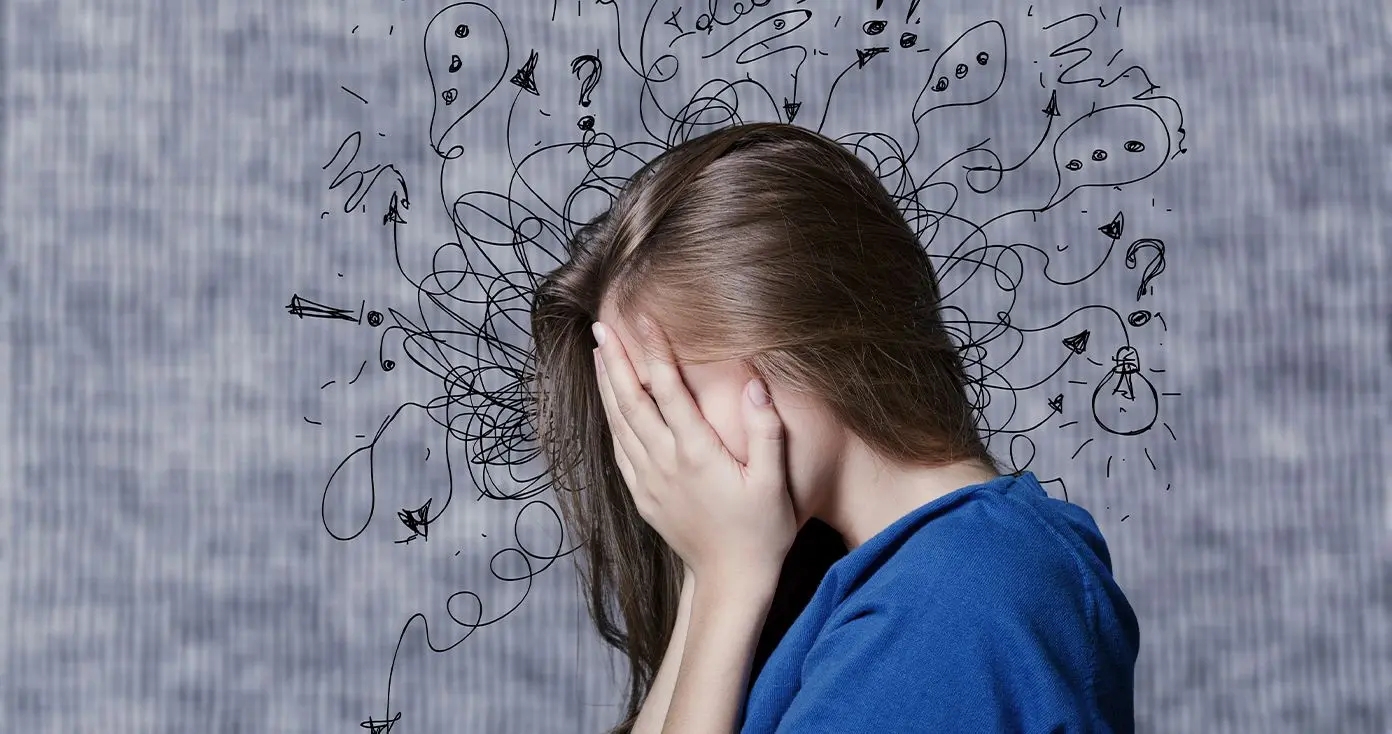
Anxiety has become increasingly common in our fast-paced, constantly connected world. While occasional worry is a normal part of life, persistent anxiety that interferes with daily functioning signals something more serious. The challenge is that many people don’t recognize the signs of anxiety until they’ve been struggling for months or even years.
Understanding anxiety symptoms and mental health warning signs is crucial for early intervention and effective treatment. The sooner you identify and address anxiety, the easier it becomes to manage. This comprehensive guide will help you recognize the physical, emotional, cognitive, and behavioral signs of anxiety, empowering you to take action for yourself or support someone you care about.
What Is Anxiety and When Does It Become a Problem?
Anxiety is your body’s natural response to perceived threats or stressors. In appropriate situations, anxiety serves a protective function, helping you stay alert and avoid danger. However, when anxiety becomes excessive, persistent, or occurs without a clear trigger, it can develop into an anxiety disorder.
The distinction between normal anxiety and an anxiety disorder often comes down to intensity, duration, and impact. If anxious feelings last for weeks or months, feel overwhelming, or prevent you from engaging in normal activities—work, school, relationships, hobbies—this suggests a clinical anxiety condition requiring professional attention.
Anxiety disorders are among the most common mental health conditions, affecting approximately 40 million adults in the United States alone. Despite their prevalence, anxiety disorders are highly treatable, yet many people never seek help because they don’t recognize their symptoms as anxiety or believe they should simply “deal with it” on their own.
Physical Signs of Anxiety
Anxiety manifests powerfully in the body, often before people recognize the emotional components. These physical symptoms can be so pronounced that many people first visit their doctor thinking they have a medical condition rather than anxiety.
Cardiovascular Symptoms
One of the most recognizable signs of anxiety is a racing or pounding heart. You might feel your heart beating forcefully in your chest, experience heart palpitations or skipped beats, or notice your pulse racing even when you’re sitting still. Some people experience chest tightness or chest pain, which can be frightening and easily mistaken for cardiac problems.
If you frequently experience these symptoms, it’s wise to see a healthcare provider to rule out heart conditions. However, if medical tests come back normal and symptoms coincide with worry or stress, anxiety is likely the culprit.
Respiratory Changes
Shortness of breath, rapid breathing, or feeling like you can’t catch your breath are common signs of anxiety. You might feel like you’re suffocating or that there’s not enough air in the room. Some people hyperventilate during anxiety or panic attacks, which can cause dizziness and tingling sensations in the extremities.
Gastrointestinal Distress
The gut-brain connection means anxiety frequently manifests as digestive issues. Common signs include nausea, stomach pain or cramping, diarrhea, constipation, loss of appetite, or feeling like you have butterflies in your stomach. Some people develop irritable bowel syndrome (IBS), which has strong links to anxiety.
If you notice that stomach problems worsen during stressful periods or before anxiety-provoking events, this suggests an anxiety connection rather than a purely physical digestive disorder.
Muscle Tension and Pain
Chronic muscle tension, particularly in the neck, shoulders, jaw, and back, is one of the most persistent physical signs of anxiety. You might clench your jaw without realizing it, wake up with headaches, or experience persistent back pain. Some people develop tension headaches or migraines triggered by anxiety-related muscle tightness.
Other Physical Manifestations
Additional physical signs of anxiety include trembling or shaking, excessive sweating (especially in the palms, feet, or underarms), dizziness or lightheadedness, fatigue despite adequate sleep, changes in appetite, insomnia or disrupted sleep, and frequent urination. Some people experience hot flashes or chills unrelated to temperature.
Emotional and Psychological Signs of Anxiety
While physical symptoms grab attention, the emotional experience of anxiety can be equally debilitating and often persists even when physical symptoms subside.
Excessive Worry and Rumination
Perhaps the most defining characteristic among signs of anxiety is excessive, uncontrollable worry. If you find yourself caught in repetitive thought loops, unable to stop worrying about multiple aspects of life finances, health, relationships, work, future events even when there’s no immediate threat, this indicates problematic anxiety.
The worry feels disproportionate to the actual situation and difficult or impossible to control despite your best efforts. You might recognize your worry is excessive but still can’t turn it off.
Sense of Impending Doom
Many people with anxiety experience persistent feelings that something terrible is about to happen, even when everything appears fine. This vague but powerful sense of dread or impending catastrophe colors your entire experience and keeps you on high alert.
Irritability and Restlessness
Anxiety often manifests as irritability, making you unusually sensitive to minor annoyances or quick to snap at others. You might feel constantly on edge, unable to relax, or like you need to constantly move or do something. This restlessness can make it difficult to sit through meetings, movies, or conversations.
Fear and Avoidance
Specific fears that seem irrational but feel overwhelming are significant signs of anxiety. These might include fear of social situations, leaving home, driving, heights, enclosed spaces, or specific objects or situations. When fear leads you to avoid activities, places, or experiences you once enjoyed or that are necessary for daily life, anxiety has become problematic.
Emotional Sensitivity
Anxiety can make you feel emotionally raw and easily overwhelmed. You might cry more easily, feel overwhelmed by normal responsibilities, or experience emotions more intensely than usual. Small setbacks might feel catastrophic, and you may struggle to maintain perspective during challenges.
Cognitive Signs of Anxiety
Anxiety significantly impacts how your brain functions, affecting memory, concentration, and decision-making abilities.
Difficulty Concentrating
If you find yourself unable to focus on tasks, constantly losing your train of thought, or struggling to complete work that previously came easily, anxiety may be interfering with cognitive function. Your mind might feel foggy or like thoughts are racing too quickly to catch.
Catastrophic Thinking
Catastrophizing immediately jumping to worst-case scenarios is a hallmark cognitive pattern in anxiety. When faced with any uncertainty, your mind automatically imagines disaster. A headache becomes a brain tumor, a delayed text means relationship doom, or a mistake at work will certainly result in being fired.
Memory Problems
Anxiety interferes with both short-term and long-term memory. You might forget appointments, misplace items frequently, struggle to remember conversations, or have difficulty retaining new information. This isn’t early dementia it’s anxiety monopolizing cognitive resources that would otherwise support memory formation.
Indecisiveness
Anxiety makes decision-making feel overwhelming. Even minor choices—what to eat, what to wear, which route to take can feel paralyzing. You might second-guess decisions constantly, fear making the wrong choice, or avoid decisions altogether.
Behavioral Signs of Anxiety
How anxiety affects behavior provides important clues about its presence and severity.
Avoidance Behaviors
Avoiding situations, places, or activities that trigger anxiety is one of the most significant behavioral signs. While avoidance provides temporary relief, it actually strengthens anxiety over time and progressively shrinks your world. You might decline social invitations, avoid driving certain routes, skip appointments, or give up hobbies that once brought joy.
Changes in Social Patterns
Withdrawing from friends and family, declining invitations, or feeling uncomfortable in social situations you previously enjoyed indicates anxiety may be affecting your life. Some people develop social anxiety specifically, while others find that generalized anxiety makes social interaction exhausting.
Compulsive Behaviors
Some people develop compulsive behaviors to manage anxiety—repeatedly checking locks, washing hands excessively, seeking constant reassurance, organizing compulsively, or engaging in rituals that temporarily reduce anxious feelings. When these behaviors become time-consuming or interfere with daily life, they may indicate obsessive-compulsive disorder (OCD), a specific type of anxiety disorder.
Sleep Disruptions
Difficulty falling asleep because your mind won’t stop racing, waking frequently during the night, or waking early and being unable to return to sleep are common behavioral manifestations. Some people with anxiety sleep excessively, using sleep as an escape from overwhelming feelings.
Changes in Daily Functioning
Anxiety might cause you to call in sick to work frequently, struggle to complete routine tasks, neglect personal hygiene or household responsibilities, or rely increasingly on substances like alcohol or drugs to cope.
Different Types of Anxiety Disorders
While many signs of anxiety overlap across conditions, understanding specific anxiety disorders helps identify which type you might be experiencing.
Generalized Anxiety Disorder (GAD)
GAD involves persistent, excessive worry about various aspects of life—health, finances, work, relationships—for at least six months. The worry feels uncontrollable and is accompanied by physical symptoms like muscle tension, fatigue, difficulty concentrating, irritability, and sleep problems.
Panic Disorder
Panic disorder is characterized by recurrent, unexpected panic attacks—intense episodes of fear accompanied by physical symptoms like heart palpitations, sweating, trembling, shortness of breath, chest pain, nausea, dizziness, and fear of dying or losing control. People with panic disorder often develop anxiety about having future panic attacks, which can lead to avoidance of situations where attacks have occurred.
Social Anxiety Disorder
Social anxiety involves intense fear of social situations where you might be scrutinized, judged, or embarrassed. This goes beyond normal shyness, causing significant distress and avoidance of social interactions, public speaking, eating in front of others, or being the center of attention.
Specific Phobias
Phobias are intense, irrational fears of specific objects or situations—heights, flying, spiders, needles, blood, enclosed spaces. The fear is disproportionate to actual danger and leads to avoidance behaviors that may interfere with daily life.
Obsessive-Compulsive Disorder (OCD)
OCD involves intrusive, unwanted thoughts (obsessions) and repetitive behaviors or mental acts (compulsions) performed to reduce anxiety. Common obsessions include fears of contamination, harm, or disorder, while compulsions might include excessive cleaning, checking, counting, or arranging.
Warning Signs That Require Immediate Attention
While any persistent anxiety warrants professional help, certain warning signs indicate urgent need for mental health intervention:
Thoughts of self-harm or suicide. If you experience thoughts of harming yourself, have a plan for suicide, or feel life isn’t worth living, seek immediate help. Call 988 (Suicide and Crisis Lifeline) or go to your nearest emergency room.
Severe panic attacks that last longer than typical episodes, occur multiple times daily, or include symptoms like chest pain severe enough that you can’t distinguish from a heart attack.
Complete inability to function in daily life—unable to work, care for yourself, or manage basic responsibilities due to anxiety.
Substance abuse as a coping mechanism for anxiety. Using alcohol, drugs, or medications not prescribed to you indicates a crisis requiring immediate professional help.
Physical symptoms that could indicate serious medical conditions. If you experience chest pain, difficulty breathing, severe headaches, or other concerning physical symptoms, see a healthcare provider promptly to rule out medical emergencies.
The Connection Between Anxiety and Other Conditions
Anxiety rarely exists in isolation. Understanding common co-occurring conditions helps you recognize the full picture of your mental health.
Depression frequently accompanies anxiety, with many people experiencing both simultaneously. Signs include persistent sadness, loss of interest in activities, changes in appetite or sleep, feelings of worthlessness, and lack of energy.
Substance use disorders often develop as people attempt to self-medicate anxiety symptoms. Unfortunately, alcohol and drugs ultimately worsen anxiety over time.
Chronic pain conditions and anxiety frequently co-exist, each exacerbating the other in a challenging cycle.
Sleep disorders both contribute to and result from anxiety, creating another bidirectional relationship that requires attention to both issues.
How to Respond When You Recognize Signs of Anxiety
Identifying signs of anxiety in yourself is an important first step. Here’s what to do next:
Consult a Healthcare Provider
Schedule an appointment with your primary care physician or a mental health professional. They can conduct a thorough evaluation, rule out medical conditions with similar symptoms, and recommend appropriate treatment options. Don’t minimize your symptoms or wait until they become unbearable.
Consider Therapy
Cognitive-behavioral therapy (CBT) is highly effective for anxiety disorders, helping you identify and change thought patterns and behaviors that maintain anxiety. Other effective approaches include acceptance and commitment therapy (ACT), exposure therapy, and mindfulness-based therapies.
Explore Medication Options
For moderate to severe anxiety, medication can be an important part of treatment. Antidepressants (particularly SSRIs and SNRIs) are commonly prescribed for anxiety disorders, while benzodiazepines provide short-term relief for severe symptoms. Discuss options, benefits, and potential side effects with your healthcare provider.
Implement Lifestyle Changes
While not a replacement for professional treatment, lifestyle modifications support anxiety management: regular exercise, adequate sleep, balanced nutrition, limited caffeine and alcohol, stress management techniques, and social connection all contribute to reduced anxiety.
Build Your Support System
Share your struggles with trusted friends or family members. Their understanding and support make the journey easier. Consider joining an anxiety support group where you can connect with others who understand your experience.
Supporting Someone with Anxiety
If you recognize signs of anxiety in someone you care about, your support can make a significant difference:
Express concern without judgment. Approach them privately and gently share your observations: “I’ve noticed you seem stressed lately and wondered if you’re okay.”
Listen without trying to fix. Sometimes people need to be heard more than they need advice. Validate their feelings rather than dismissing them with “just relax” or “don’t worry.”
Encourage professional help while offering to assist with finding resources or accompanying them to appointments if they’d find that helpful.
Learn about anxiety so you can better understand what they’re experiencing and avoid common misconceptions that anxiety is a choice or sign of weakness.
Take care of yourself too. Supporting someone with anxiety can be emotionally demanding. Maintain your own wellbeing and set healthy boundaries.
The Path Forward
Recognizing signs of anxiety is empowering because anxiety is highly treatable. With appropriate support—whether therapy, medication, lifestyle changes, or a combination—most people with anxiety disorders experience significant improvement in their symptoms and quality of life.
You don’t have to live with overwhelming anxiety. Whether you’re experiencing persistent worry, physical symptoms, avoidance behaviors, or any combination of anxiety signs, help is available. The courage to acknowledge your struggle and seek support is the most important step toward feeling better.
Mental health is just as important as physical health, and seeking help for anxiety shows strength, not weakness. You deserve to feel calm, confident, and capable of fully engaging with life.
Internal Linking Suggestions
- Link to: “How to Reduce Stress Quickly: Natural Stress Relief Methods at Home” (in the coping strategies section)
- Link to: “Meditation Mental Health Benefits: How Meditation Improves Your Mind” (when discussing treatment options)
- Link to: “Reasons Not Losing Weight: 10 Weight Loss Mistakes and How to Fix Them” (when discussing the connection between anxiety and physical health)
- Link to: A therapy resources guide or mental health treatment options article (when discussing professional help)
- Link to: A self-care or wellness article (when discussing lifestyle changes and coping strategies)
Frequently Asked Questions
Q1: What is the difference between stress and anxiety?
Stress is a response to an external trigger—a deadline, argument, or challenging situation—and typically dissipates once the trigger is removed. Anxiety, however, can persist even without a clear external cause, involves excessive worry about multiple areas of life, and continues even after stressors are resolved. Anxiety also tends to be more future-focused (worrying about what might happen), while stress relates to current pressures. If worried feelings persist for weeks or months, feel uncontrollable, or significantly impact your daily functioning, this suggests an anxiety disorder rather than normal stress.
Q2: Can anxiety cause physical symptoms even when I don’t feel mentally anxious?
Absolutely. Many people experience physical signs of anxiety—racing heart, stomach problems, muscle tension, headaches—without consciously feeling worried or anxious. This happens because anxiety can operate below conscious awareness, with your body responding to perceived threats before your mind recognizes anxiety. Some people with high-functioning anxiety appear calm outwardly while experiencing significant physical symptoms. If you have persistent unexplained physical symptoms and medical tests return normal results, consider whether anxiety might be the underlying cause.
Q3: How do I know if my anxiety is severe enough to need professional help?
Seek professional help if anxiety persists for more than a few weeks, feels overwhelming or uncontrollable, significantly interferes with work, school, relationships, or daily activities, causes you to avoid situations or places, is accompanied by depression or thoughts of self-harm, or leads to substance use as a coping mechanism. You don’t need to wait until anxiety becomes unbearable early intervention often leads to faster, more complete recovery. If you’re questioning whether you need help, that question itself often indicates it’s time to consult a professional.
Q4: Can anxiety develop suddenly or does it always start gradually?
Anxiety can develop either way. Some people experience gradual onset over months or years, with symptoms slowly increasing in frequency and intensity. Others experience sudden onset, sometimes following a specific triggering event like trauma, major life change, or even a particularly intense panic attack. Post-traumatic stress disorder (PTSD) typically has acute onset following trauma, while generalized anxiety disorder usually develops more gradually. Sudden onset doesn’t indicate a different or worse prognosis—both patterns respond well to appropriate treatment.
Q5: Is it normal for anxiety symptoms to come and go?
Yes, anxiety symptoms often fluctuate in intensity. You might experience periods of intense anxiety followed by calmer periods, or notice that symptoms worsen during stressful times and improve when life is less demanding. Some people experience anxiety in waves or cycles. However, if symptoms persist for several weeks, repeatedly return, or gradually worsen over time despite periods of improvement, professional help is warranted. Treatment helps you manage symptoms more consistently and prevents anxiety from interfering with your life during difficult periods.